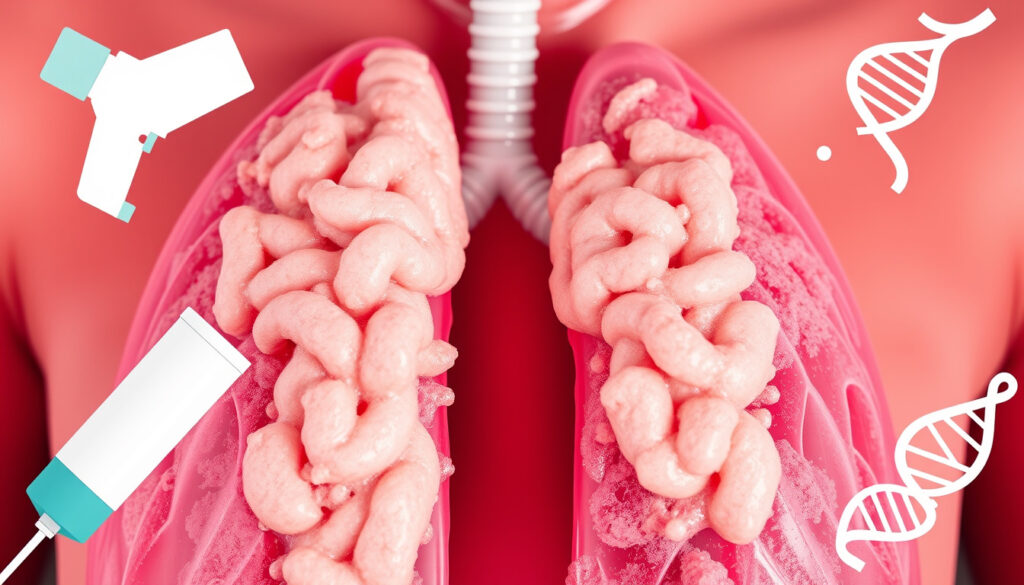
What Is Cystic Fibrosis – Causes Symptoms Treatment Guide
Cystic fibrosis is a genetic condition that affects thousands of people worldwide, causing thick mucus to build up in the lungs, pancreas, and other organs. While there is no cure, advances in treatment over recent decades have dramatically improved life expectancy and quality of life for those living with the condition. Understanding the genetic basis, recognizing symptoms early, and accessing modern therapies can make a significant difference in outcomes.
The condition is inherited when both parents carry a mutated CFTR gene, and newborn screening programs in many countries now allow for diagnosis before symptoms appear. This early detection enables families to begin treatments promptly, potentially slowing disease progression and improving long-term health. The severity of cystic fibrosis varies from person to person, but the underlying genetic fault remains the same across all cases.
Research into CFTR modulators has transformed what’s possible for many patients. Medications like Trikafta target the root cause of the condition rather than just managing symptoms, offering hope for extended lifespans and reduced complications. Yet challenges remain, including the daily burden of treatments, infections, and organ-specific complications that affect multiple body systems.
What Causes Cystic Fibrosis?
Genetic disorder affecting chloride channels
Lungs, pancreas, digestive system
1 in 25 people are carriers
1 in 3,500 U.S. births
Mutations in the CFTR gene on chromosome 7 cause cystic fibrosis. This gene provides instructions for making a protein that regulates chloride transport across cell membranes. When the gene is defective, chloride cannot move properly through cells, leading to thick, sticky mucus that accumulates throughout the body. More than 2,000 different CFTR mutations have been identified, though the deltaF508 mutation is by far the most common.
The condition follows an autosomal recessive inheritance pattern, meaning a child must inherit two mutated copies of the gene—one from each parent—to develop cystic fibrosis. When both parents are carriers, each pregnancy carries a 25% chance of having an affected child. Carriers themselves typically show no symptoms because they have one functioning copy of the gene. Carrier frequency varies by ethnicity, with higher rates among people of Northern European descent.
- The CFTR protein regulates chloride movement across cell membranes throughout the body
- Over 2,000 CFTR mutations exist; deltaF508 is the most prevalent worldwide
- Both parents must carry the mutation for a child to be affected
- Newborn screening detects the condition before symptoms develop in most cases
- Carrier frequency is approximately 1 in 25 in Caucasian populations
- The condition is not contagious and cannot be transmitted between individuals
- Early intervention with modern treatments significantly improves outcomes
| Factor | Details |
|---|---|
| Genetic Cause | Mutations in CFTR gene on chromosome 7 |
| Primary Mutation | DeltaF508 (F508del) |
| Inheritance | Autosomal recessive |
| Carrier Risk | 25% per pregnancy when both parents are carriers |
| U.S. Prevalence | Approximately 1 in 3,500 births |
| Curable | No—treatments manage symptoms and slow progression |
What Are the Symptoms of Cystic Fibrosis?
Symptoms typically appear in infancy or early childhood, though some forms may be diagnosed later. The condition affects multiple organ systems, with respiratory and digestive problems being most prominent. The specific combination and severity of symptoms varies considerably between individuals.
Respiratory Manifestations
The thick mucus in the lungs creates an ideal environment for bacterial growth, leading to recurrent infections. Patients often experience a persistent cough, wheezing, and shortness of breath. Over time, repeated infections cause progressive lung damage, and respiratory failure remains the primary cause of death in cystic fibrosis patients. Pseudomonas aeruginosa colonization is particularly common and contributes to declining lung function.
Digestive and Nutritional Effects
Pancreatic insufficiency occurs in approximately 85–90% of people with cystic fibrosis. The thick mucus blocks pancreatic ducts, preventing digestive enzymes from reaching the intestines. This leads to poor absorption of fats and nutrients, resulting in malnutrition, failure to thrive, and vitamin deficiencies. Patients often require pancreatic enzyme supplements with every meal. Additional complications may include liver involvement and growth delays.
Other Systemic Effects
Salt balance is disrupted because the faulty CFTR protein affects sweat glands, producing unusually salty skin. Sinusitis and nasal polyps are common. About 20% of newborns with cystic fibrosis develop meconium ileus, a blockage of the intestine that requires surgical intervention. CF-related diabetes develops in many adults due to pancreatic damage, and both male and female fertility can be affected by the condition.
As cystic fibrosis advances, patients may experience increasing shortness of breath, fatigue, chronic cough, pain, anxiety, and loss of appetite. These end-stage symptoms indicate significant organ damage and typically require more intensive treatment approaches, including consideration of lung transplantation.
How Is Cystic Fibrosis Treated?
There is no cure for cystic fibrosis, but multidisciplinary care at specialized CF centers has significantly improved survival and quality of life. Treatment combines airway clearance techniques, medications, nutritional support, and monitoring for complications. A comprehensive approach addresses both immediate symptoms and long-term disease management.
Airway Clearance and Respiratory Care
Daily airway clearance techniques help loosen and remove mucus from the lungs. These may include chest physical therapy, specialized breathing devices, and exercise. Nebulized medications—mucolytics to thin mucus and antibiotics to control infections—are typically used alongside clearance techniques. This combination approach has become standard care and substantially extends survival.
CFTR Modulator Therapies
CFTR modulators represent a breakthrough in treating the underlying cause of cystic fibrosis rather than just managing symptoms. These precision medicines work for patients with specific genetic mutations—approximately 90% of the CF population. Ivacaftor, approved in 2012, was the first modulator designed for gating mutations. Orkambi followed in 2015 for homozygous F508del patients, and Symdeko arrived in 2018.
Trikafta (elexacaftor/tezacaftor/ivacaftor), approved in 2019, has had the most significant impact. It is effective for patients with at least one F508del mutation and has demonstrated remarkable improvements in lung function, reduction in infections, and extension of life expectancy. Research suggests Trikafta may add up to 17.7 years to life when started by age 6. These modulators have fundamentally changed the trajectory of the disease.
CFTR modulators are highly effective but expensive and may have eligibility requirements based on specific mutations. Patients should consult with their CF care team to determine which therapies are appropriate for their genetic profile. Newborn screening enables earlier access to these treatments, potentially preventing irreversible lung damage before diagnosis.
Surgical Interventions
When lung disease progresses to end-stage failure, lung transplantation may become necessary. The five-year survival rate following transplant is approximately 50%, according to published clinical data. This option is typically considered when other treatments can no longer maintain adequate oxygen levels or quality of life.
What Is the Life Expectancy for Cystic Fibrosis?
Life expectancy for cystic fibrosis has improved dramatically over the past century. In the pre-treatment era before the 1950s, most children did not survive beyond age 5. By 1959, median survival was still only about six months. The introduction of pancreatic enzymes and antibiotics in the 1960s pushed median survival to around 15 years. Historical improvements have been documented extensively in medical literature.
Further advances—including the discovery of the CFTR gene in 1989, DNase medications, and lung transplantation—gradually extended survival. For children born in 2000, median survival reached approximately 50 years. More recent data shows that for birth cohorts from 2013 to 2017, median survival in the United States reached 44 years. The most optimistic projections, based on current modulator uptake, suggest that children born between 2020 and 2024 may live an average of 65 years.
| Birth Era | Median Survival Age | Major Contributing Factors |
|---|---|---|
| Pre-1950s | Less than 5 years | No effective treatments available |
| 1959 | 6 months | Limited supportive care |
| 1960s | 15 years | Pancreatic enzymes, antibiotics |
| 1970s–1990s | 31 years | Transplant advances, DNase |
| 2000 | Approximately 50 years | Comprehensive CF center care |
| 2013–2017 | 44 years (U.S.) | Improved protocols, earlier diagnosis |
| 2020–2024 | 65 years (projected) | CFTR modulators like Trikafta |
Several factors influence individual outcomes, including specific CFTR mutations (F508del homozygous patients generally have more severe disease), chronic infections (particularly Burkholderia cepacia), low body mass index, female sex, and lower socioeconomic status. Atypical or late-diagnosed forms of cystic fibrosis often have better outcomes, and in developed countries, adults with CF now outnumber children.
Annual U.S. mortality from cystic fibrosis dropped by 50% between 2010 and 2020, falling from 1.6% to 0.8%. Canadians with cystic fibrosis live approximately 10 years longer on average than Americans, a disparity attributed partly to differences in healthcare access and transplant availability.
Cystic Fibrosis in Babies, Pregnancy, and Fertility
Newborn Screening and Early Diagnosis
Newborn screening programs, now standard in many countries, detect cystic fibrosis before symptoms appear. The screening typically measures immunoreactive trypsinogen levels and may include DNA analysis to identify CFTR mutations. Early diagnosis allows treatment to begin before malnutrition and lung damage occur. This early intervention significantly improves long-term outcomes.
Approximately 15–20% of newborns with cystic fibrosis develop meconium ileus, a serious intestinal blockage that requires immediate medical attention. Without screening, these infants would face delayed diagnosis and treatment.
Male Fertility
Most males with cystic fibrosis experience infertility due to congenital bilateral absence of the vas deferens—the tubes that carry sperm from the testes. This structural abnormality is present from birth and means that sperm cannot be transported during ejaculation. However, many men with CF can still produce sperm, and assisted reproductive technologies may enable biological parenthood.
Females and Pregnancy
Females with cystic fibrosis are generally fertile, but pregnancy carries significant risks. The physical demands of pregnancy strain already compromised lungs and nutritional status. Women with CF who become pregnant face higher rates of diabetes, infections, and respiratory complications. Careful pre-conception planning and close monitoring throughout pregnancy are essential.
With modern CFTR modulators and specialized care, more women with cystic fibrosis are successfully completing pregnancies and having healthy children. The first documented CF pregnancy occurred in the 1960s, and today thousands of CF families exist worldwide.
Couples where one or both partners have CF, or where both are carriers, should consult genetic counselors before planning pregnancy. Preconception testing, prenatal screening, and discussion of reproductive options can help families make informed decisions. Fertility specialists experienced with CF-related infertility can provide guidance on available options.
What We Know for Certain—And What Remains Unclear
Medical understanding of cystic fibrosis has advanced substantially, but certain aspects remain better understood than others. Distinguishing established facts from areas of ongoing research helps patients and families set realistic expectations.
| Established Information | Information That Remains Uncertain |
|---|---|
| CF is caused by CFTR gene mutations | Exact life expectancy for individual patients |
| It is not contagious | Long-term effects of modulators over decades |
| Inheritance is autosomal recessive | Why symptoms vary so widely between patients |
| CFTR modulators improve outcomes for eligible patients | Whether modulators can fully halt disease progression |
| Newborn screening improves outcomes | Optimal timing for starting modulator therapy |
| Lung transplantation extends survival for eligible patients | How to address modifier genes that affect severity |
Researchers continue investigating modifier genes that may influence disease severity, optimal combinations of existing therapies, and new modulators that could help patients with rarer mutations. Clinical trials are ongoing, and patient registries track long-term outcomes to guide future care.
Sources and Expert Perspectives
The understanding of cystic fibrosis presented here draws from peer-reviewed medical literature, government health agencies, and established patient advocacy organizations. Key sources include clinical guidelines from the National Institutes of Health, treatment consensus documents from the Cystic Fibrosis Foundation, and epidemiological data from registries maintained by national CF organizations.
The Cystic Fibrosis Foundation Patient Registry tracks the health of more than 30,000 people with CF in the United States, providing crucial data for research and care improvement.
— Cystic Fibrosis Foundation
Patients are encouraged to consult with their local CF care teams for personalized medical advice, as individual circumstances vary significantly.
Summary
Cystic fibrosis is a genetic condition caused by mutations in the CFTR gene, leading to thick mucus buildup that damages the lungs, pancreas, and other organs. While no cure exists, modern treatments—including CFTR modulators like Trikafta—have transformed outcomes, pushing median survival from months in the 1950s to projected averages of 65 years for children born recently. Early diagnosis through newborn screening, comprehensive multidisciplinary care, and targeted therapies offer those affected by cystic fibrosis the opportunity for longer, healthier lives. Managing the condition requires daily treatments, regular monitoring, and coordination with specialized healthcare teams, but continued research promises further improvements. For those seeking related information, understanding genetic and complex conditions can provide additional context for navigating chronic health challenges.
Frequently Asked Questions
Is cystic fibrosis curable?
No cure exists for cystic fibrosis, but treatments—including CFTR modulators—manage symptoms and slow disease progression, significantly extending life expectancy.
Is cystic fibrosis always diagnosed in childhood?
Most cases are diagnosed through newborn screening, but atypical or milder forms may be identified in adolescence or adulthood. Some individuals are diagnosed as late as their 80s.
Can people with cystic fibrosis live independently?
Yes, many adults with cystic fibrosis live independently, pursue careers, maintain relationships, and have families. Treatment demands increase with age, but modern therapies support independence.
How does cystic fibrosis affect daily life?
Daily treatment routines typically require 2–3 hours, including airway clearance, medications, and nutritional management. Hospitalizations for infections are common, and mental health support is often beneficial.
Can cystic fibrosis be detected before pregnancy?
Genetic testing can identify carriers of CFTR mutations before conception. Couples with family history or known carrier status can consult genetic counselors about reproductive options.
What is the most common mutation in cystic fibrosis?
The deltaF508 (F508del) mutation accounts for the majority of cystic fibrosis cases worldwide. Most CFTR modulators are designed for patients with at least one copy of this mutation.
Are there different types of cystic fibrosis?
All cystic fibrosis results from CFTR mutations, but presentation varies significantly. Organ involvement, symptom severity, and disease progression differ between individuals based on genetic and environmental factors.
More related posts
 Cast of Home and Away: Current, Original & New Actors
 Travis Fimmel: Personal Life, Career & FAQs (2025)
 Jayne Torvill: Children, Illness, Husband, and Dean
 Armand Duplantis: World Records, Net Worth, and Bonus Strategy
 Dickie Bird Dies at 92: Cricket Umpire’s Life and Legacy
 Princess Margaret: Life, Love, and Legacy of the Queen’s Sister
 Diamond Ring Guide: Costs, 4 Cs, and Trends
 Georgia Stanway: Partner, Career & Arsenal Transfer