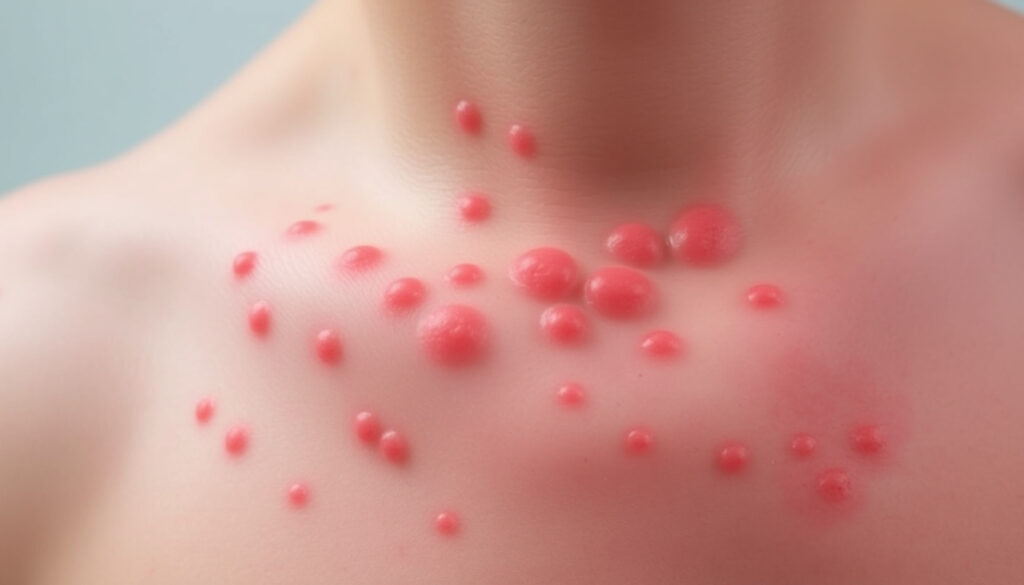
What Do Bed Bug Bites Look Like? Pictures & ID Guide
Waking up with mysterious bites can be unsettling, especially when you cannot find the source. Bed bug bites share similarities with other insect bites, but their distinctive patterns and the delayed reactions they cause often leave people confused about what attacked them. This guide walks through exactly what bed bug bites look like, how they differ across skin tones, and what signs confirm you are dealing with bed bugs rather than mosquitoes or fleas.
Typical Appearance: slightly swollen bumps with reddish bruise · Common Pattern: lines, clusters, or zigzag · Reaction Variability: not everyone reacts · Bite Marks: red, itchy, inflamed
Quick snapshot
- Bites appear in clusters, straight lines, or zigzag patterns (Healthline)
- Typically grouped in three to five bites per session (Harvard Health)
- Not all people develop visible skin reactions to bed bug bites
- Exact timing of itch onset varies significantly between individuals
- Bites may take hours to days to appear after exposure (Carolina Pest Management)
- Skin recovery can take up to two weeks (Black Skin Directory)
- Hyperpigmentation from bites can persist for months on darker skin tones
- Confirmation requires inspecting sleeping areas for bugs and evidence
The table below summarizes the key visual and physical characteristics that distinguish bed bug bites from other insect bites.
| Attribute | Description |
|---|---|
| Bite Color | Red or discolored |
| Shape | Bumps, flat or raised |
| Itch Level | High, delayed onset |
| Bug Size | Apple seed |
| Pattern | Lines, clusters, zigzag |
| Center Marking | Red dot at center of irritated area |
| Common Locations | Arms, face, neck, hands, shoulders, legs |
How do you tell if a bite is a bed bug?
Bed bug bites present a distinctive combination of appearance and behavior that sets them apart from other common insect bites.
Appearance and pattern
- Bed bug bites typically appear in clusters, straight lines, or zigzag patterns on the skin (Healthline)
- On lighter skin tones, bites usually show as pink or red bumps (Medical News Today)
- On Black and brown skin, bites may appear purplish, flush a deeper brown, or very dark red rather than bright red (Black Skin Directory)
- Bites can also appear brown, violet, or skin-colored on darker skin tones depending on the individual (GoodRx)
Itch and swelling timeline
- Bed bug bites are very itchy, with irritation usually worse in the morning and improving as the day progresses (Healthline)
- Bites may take hours or even days to appear on the skin after exposure (Carolina Pest Management)
- The site of a bite can become quite painful, inflamed, warm, and swollen (Black Skin Directory)
Differences on various skin tones
The visibility of bed bug bites varies significantly depending on skin tone. On darker skin tones, bites may be purple and less noticeable compared to lighter skin where they appear pink or red (Medical News Today). This difference can make identification challenging for people with Black or brown skin, potentially delaying recognition of a bed bug infestation.
Bed bug bites can result in post-inflammatory hyperpigmentation or dark marks on the skin, which may persist for months on darker skin tones (GoodRx). Early identification helps prevent prolonged skin discoloration and repeated exposure.
What can be mistaken for bed bug bites?
Several other conditions and insect bites closely resemble bed bug bites, making accurate identification challenging without proper context.
Mosquito and flea bites
- Mosquito bites usually appear isolated in areas around the skin, while bed bug bites tend to cluster together (Carolina Pest Management)
- Mosquito bite symptoms appear almost immediately after exposure, whereas bed bug bites may take hours or days to show (Carolina Pest Management)
- A mosquito must remain on the skin for at least six seconds to successfully bite (Healthline)
- Mosquito bites typically heal within one to two days, while bed bug bites can persist for up to two weeks (Healthline)
- Flea bites also tend to be isolated rather than appearing in the clustered patterns typical of bed bugs
Other skin reactions
- Allergic reactions to foods, medications, or environmental triggers can produce red, itchy bumps similar in appearance
- Contact dermatitis from plants, soaps, or fabrics may cause patterned irritation that resembles bite clusters
- Hives can present as raised, itchy bumps that sometimes group together in patterns
Allergic responses
Some individuals show no rash or bumps after bed bug bites at all (Carolina Pest Management). This variability means that the absence of visible bites does not rule out bed bugs as a source of indoor infestation.
Mosquito bite symptoms tend to appear after spending time outdoors, while bed bug bites occur in indoor sleeping areas (Carolina Pest Management). Location context matters as much as appearance when distinguishing between these two sources.
The implication: misidentification delays treatment, so tracking where and when bites appear provides critical clues that appearance alone cannot.
What are three signs you might have bed bugs?
Beyond the bites themselves, several physical indicators point to an active bed bug infestation in your home.
Bite patterns on body
- Bed bug bites usually appear on areas of exposed skin that contacts the bed, including arms, face, and neck (Healthline)
- Bites typically show in clusters of three to five marks following a feeding session (Harvard Health)
- The red dot at the center of the irritated area serves as a distinguishing feature (Healthline)
Evidence in sleeping areas
- Bed bugs can leave behind rust-colored stains on blankets and sheets after feeding (Carolina Pest Management)
- Other signs include small red or black stains on sheets and tiny, white, oval eggs in mattress seams (GoodRx)
- Shed skins from growing nymphs may accumulate in corners and seams of mattresses
First visible signs
Bed bugs are about the size of an apple seed and hide during the day, making direct sighting difficult (Orkin). The insects are active year-round since they reside indoors, so seasonal patterns do not apply to indoor infestations (Carolina Pest Management).
What part of the body do bed bugs bite the most?
Bed bugs show a preference for specific body areas based on accessibility during sleep.
Common exposure areas
- Arms and legs represent the most frequently bitten areas since they often remain exposed during sleep (Orkin)
- The neck and shoulders receive bites when collar or neckline areas are uncovered
- The face and hands may show bites depending on sleeping position and blanket use
Why those spots
Bed bugs are attracted to carbon dioxide and warmth, and exposed skin during sleep provides easy access for feeding (Orkin). Covered areas or skin with heavy clothing typically remains unaffected since the bugs prefer direct skin contact.
Patterns observed
- Bites commonly appear in lines or clusters on arms and legs, following the bug’s feeding path across exposed skin
- Multiple bites in a concentrated area suggest a single feeding session where the bug was disturbed and moved slightly before continuing
- The zigzag and linear patterns result from the bug moving along the skin while feeding
These distinctive patterns should prompt immediate inspection of sleeping areas when bites consistently appear on arms, neck, and shoulders while areas typically covered by pajamas remain unaffected.
What this means: when bite distribution follows clothing boundaries rather than random exposure, bed bugs become the primary suspect.
How do I confirm if I have bedbugs?
Visual confirmation of bed bugs or their evidence provides definitive proof of an infestation beyond the presence of bites alone.
Inspect for bugs and signs
- Adult bed bugs can be spotted hiding in mattress seams, box springs, bed frames, and furniture joints during daytime inspections
- Check pillow seams and along the edges of mattress piping where bugs commonly shelter
- Use a flashlight and credit card to inspect crevices where bugs may be hiding
No bugs but bites scenario
Some individuals have no visible rash or bumps after bed bug bites, while others may have delayed reactions appearing hours or days later (Carolina Pest Management). This delayed response can create a disconnect between bites experienced and visible evidence on the skin.
Professional verification
- Pest control professionals use specialized detection tools including interceptor traps placed under bed legs
- Canine bed bug detection offers high accuracy for locating hidden infestations
- The EPA provides recommended inspection and control methods for homeowners facing suspected infestations
The implication: physical evidence of the bugs themselves outweighs skin symptoms for diagnosis, so a negative visual search does not rule out infestation.
How to identify and treat bed bug bites
Once identified, managing bed bug bites involves both symptom relief and addressing the underlying infestation.
- Clean the affected area with mild soap and water to reduce the risk of secondary infection from scratching
- Apply cold compresses to reduce swelling and numb the itching sensation in the first 24 hours
- Use hydrocortisone cream or take antihistamines to reduce itching and irritation (Medical News Today)
- Avoid scratching to prevent scarring and reduce the risk of post-inflammatory hyperpigmentation, especially on darker skin tones
- Monitor healing progress — most bites resolve within two weeks, but discoloration may persist longer
- Address the source by inspecting your sleeping area, washing bedding in hot water, and considering professional pest control if needed
The pattern: treating bites without eliminating the underlying infestation only provides temporary relief and guarantees repeated exposure.
Upsides
- Bed bug bites rarely cause serious medical complications beyond discomfort
- Bites typically heal on their own within two weeks without medical intervention
- Identification is possible through distinctive clustering patterns and bite location
Downsides
- Post-inflammatory hyperpigmentation can persist for months, particularly on darker skin
- Some people show no visible reaction, making bites difficult to detect
- Confirmation requires inspecting sleeping areas, which can be disruptive
Expert perspectives on bed bug identification
Most people develop marks similar to mosquito or flea bites — slightly swollen bumps with a reddish bruise in the middle that itch.
— Medical News Today (Medical publication)
Bedbug bites can look like red or discolored itchy bumps that appear in lines or clusters on exposed skin. A bed bug bite may appear red and slightly swollen, and the marks may be random, appear in a straight line, or in a zigzag pattern.
— Harvard Health (Academic medical institution)
Bed bug bites on Black and brown skin may not always show up angry and bright red — rather the skin can look purplish, flush a deeper brown, or very dark red.
— Black Skin Directory (Educational resource)
The pattern of bed bug bites often proves more diagnostic than their appearance alone. While individual bites resemble mosquito or flea bites, the clustering behavior and linear or zigzag arrangements distinguish them from solitary insect bites.
Related reading: Skin cancer on nose · What is cystic fibrosis
Bed bug bites often present as red, itchy welts in lines or clusters, though patterns on light and dark skin vary significantly by individual skin tone and immune response.
Frequently asked questions
Do bed bug bites itch?
Yes, bed bug bites are typically very itchy. The itching or pain usually feels worse in the morning and improves as the day progresses (Healthline). Antihistamines and hydrocortisone can help reduce the itching and irritation.
Do bed bug bites hurt?
The site of a bed bug bite can be quite painful, inflamed, warm, and swollen (Black Skin Directory). Pain levels vary between individuals, with some experiencing significant discomfort while others report minimal sensation.
What kills bedbugs instantly?
Professional-grade desiccants, heat treatments above 120°F (49°C), and EPA-registered insecticides specifically labeled for bed bugs can eliminate infestations. Home remedies like essential oils are generally ineffective for established infestations.
Do bed bugs live on pillows?
Yes, bed bugs can hide in pillow seams and along pillow edges. They prefer tight crevices close to where people sleep, making pillows, mattresses, and bed frames primary hiding spots (GoodRx).
What are the stages of bed bug bites?
Bed bug bites may take hours to days to appear initially. The bite marks themselves can persist for up to two weeks, though hyperpigmentation or dark marks may last for months afterward (Black Skin Directory).
How to get rid of bed bugs?
Effective treatment typically requires a combination of thorough cleaning, vacuuming, sealing cracks, washing bedding in hot water, and professional pest control intervention. Single-method approaches rarely eliminate infestations completely.
What if I have no signs of bed bugs but bites?
Some individuals have no rash or bumps after bed bug bites, and reactions can be delayed by hours or days (Healthline). If you suspect bed bugs despite no visible evidence, inspect mattress seams, check for rust-colored stains on sheets, and consider hiring a professional for a thorough assessment.
For anyone dealing with unexplained bites appearing in patterned clusters, the next practical step is clear: inspect your sleeping environment thoroughly, check mattress seams and pillow edges for live bugs or stains, and consult a pest professional if evidence confirms an infestation. Waiting only prolongs exposure and increases the risk of widespread infestation throughout your home.
More related posts
 Top WWE Wrestlers: Rankings, Richest, and Current Roster (2025)
 Paul Brunson: Age, Wife, Kids, Net Worth, and Football Club
 Taylor Kinney: Relationships, Chicago Fire Exit, Personal Life
 Levi Colwill ACL Injury: Recovery Timeline & Update
 Verne Troyer: Mini-Me Actor’s Life, Death & Legacy
 January Jones: Biography, Son, Relationships, and Career Facts
 Invisalign Before and After – Real Results and Timelines
 India vs Sri Lanka Cricket Records: Head-to-Head Stats