How to Stop Condensation on Windows: 5 Proven Tips
Waking up to windows fogged with condensation isn’t just annoying — it can lead to mould, damaged frames, and a chill you feel right through the glass. For UK homeowners especially, cold nights and everyday routines like cooking and showering turn windows into a daily battleground against moisture. The good news is you don’t need expensive gadgets to fight back. Tested hacks, practical ventilation tricks, and a few expert-backed tweaks can keep your glass clear all winter long.
Recommended daily ventilation: 20 minutes · Quick fix time: 10 minutes · Salt pot placement: By windows overnight · Dehumidifier runtime: Overnight · Wipe frequency: Regular with dry cloth
Quick snapshot
- Opening windows with heating on simultaneously scored 10/10 for preventing condensation (Homes & Gardens)
- Ventilation is one of the best long-term fixes for reducing humidity levels indoors (Homes & Gardens)
- Ideal indoor humidity during winter sits between 30–50% to prevent morning moisture buildup (MEPIS Community)
- Exact humidity thresholds that trigger condensation vary by home and window type
- How much condensation reduction percentages differ between individual dehumidifier models in UK conditions
- Regional effectiveness across different UK climates (Scotland vs. England vs. Wales)
- Peak condensation typically forms between 3 AM and 6 AM — the coldest part of the night
- Condensation experiments were most recently conducted during winter 2025 testing periods
- Dish soap hack was found to last at least one week per application
- Run dehumidifiers or background heating during pre-dawn hours for maximum efficiency
- Heat Recovery Ventilation systems are gaining traction as a permanent solution
- Smart thermostats increasingly offer automated overnight condensation control
The table below pulls together the most useful figures from practical experiments and official sources to help you compare the key variables at a glance.
| Method | Key detail | Source |
|---|---|---|
| Main cause | Warm moist air on cold glass | DOC Cleaning |
| Optimal indoor temperature | 18–21°C (Met Office guidance) | DOC Cleaning |
| Ideal humidity range | 30–50% during winter | MEPIS Community |
| Ventilation with heating | 10 minutes daily scored 10/10 | Homes & Gardens |
| Extractor fan cost | Less than £5 per year (30 min/day) | Habinteg |
| Peak condensation time | 3 AM – 6 AM | EcoFlow Energy |
| USB fan setup | Under £15, 5–10 watts | MEPIS Community |
| Dish soap hack | Lasts at least one week per application | Homes & Gardens |
| Low-emissivity window film | Creates thermal barrier reducing temperature differential | WF Protection |
What Causes Condensation on Windows?
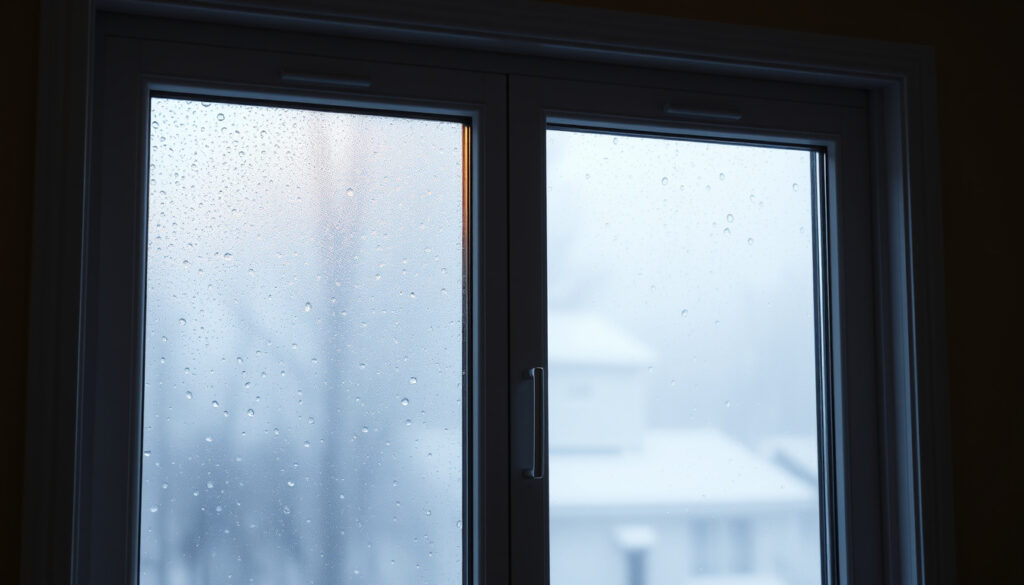
Condensation forms when warm, moisture-laden air inside your home meets cold window glass. The temperature drop causes moisture in the air to condense into water droplets on the surface — exactly like the mist you see on a cold drink on a hot day.
The problem worsens in UK homes because we generate so much moisture through everyday activities. Cooking, showering, doing laundry, and even breathing all add humidity to indoor air. When outdoor temperatures drop significantly at night, windows become the coldest surfaces in the house, making them prime condensation targets.
Cold surfaces meeting warm moist air
Double and triple-glazed windows handle this better than single-pane glass. Modern insulated windows keep the interior glass surface warmer, reducing the temperature gap between indoor air and the glass. Older single-pane windows — common in period properties — lack this protection and suffer far more condensation as a result.
High indoor humidity factors
Several household habits drive humidity up without us noticing. Drying clothes indoors is a major culprit: each damp load releases around two litres of water into your home air, according to WF Protection. Boiling kettles, running hot showers, and using unvented tumble dryers all add moisture that has nowhere to go unless you actively ventilate.
The Met Office recommends keeping indoor temperatures between 18°C and 21°C during colder months to minimise condensation. Below that range, surfaces cool enough for moisture to start settling. Above it, you waste heating costs — and may still get condensation if humidity stays high.
The implication is that both temperature and humidity need managing simultaneously — tackling one without the other leaves the problem unsolved.
How do I stop condensation on windows overnight?
Overnight condensation is often the worst because temperatures drop to their lowest point between 3 AM and 6 AM — and most of us aren’t awake to crack a window open. Tackling it means dealing with both humidity levels and airflow before you go to bed.
Use salt pots
A tried-and-tested budget hack involves placing small containers of ordinary table salt on your windowsills before bed. Salt naturally absorbs moisture from the air, drawing water vapour away from the glass surface. You’ll need to refresh the salt every few days as it dissolves, but this costs almost nothing and avoids running any electrical devices.
Run dehumidifier
A dehumidifier works faster and handles larger spaces. According to EcoFlow Energy, running a dehumidifier or background heating during pre-dawn hours is most efficient — that’s when condensation peaks and ambient humidity is at its highest. Set yours to run on a timer that finishes around your wake-up time rather than running all night.
Position the dehumidifier near the worst-affected windows, and keep bedroom doors closed overnight to contain the moisture you remove. Empty the water tank each morning to keep the unit working efficiently.
What this means for you is that even on the coldest nights, a modest setup takes care of condensation before you wake up — leaving your windows clear and your window frames intact.
How do I keep condensation off my windows in the winter?
Winter is when condensation becomes chronic rather than occasional. Cold exterior temperatures mean even well-insulated windows struggle to keep interior glass warm, while our daily habits — longer showers, meals cooked with pots covered, laundry hung indoors — all add humidity indoors.
Ventilate daily
The single most effective long-term habit is opening windows every day, even for 10–20 minutes. Cross-ventilation works best: open windows at opposite ends of your home to create a draught that flushes stale, moist air out and brings drier air in. Habinteg recommends this approach for effective air circulation without significant heat loss.
Trickle vents built into window frames offer a hands-off alternative. These allow a small amount of continuous airflow even when windows are closed, which makes a real difference over a full winter without the daily effort of opening and closing windows manually.
Thermal curtains
Thermal or blackout curtains act as an insulating layer between your living space and cold window glass. They reduce the temperature differential that drives condensation — the glass stays warmer because heated room air doesn’t directly contact it. According to Homes & Gardens, insulated window treatments are one of the most effective structural changes homeowners can make without replacing windows.
The catch is that thermal curtains need to be drawn at night to work, which blocks natural light and can make rooms feel darker. In living spaces where you want daylight, consider cellular shades or secondary glazing as alternatives.
Opening windows and running extractor fans does mean some heat loss — but a bathroom fan running 30 minutes daily costs less than £5 per year in electricity, per Habinteg’s tenant guidance. The cost of treating mould or replacing damaged window frames far exceeds the penny-ante heating trade-off.
The pattern here is that ventilation costs pale in comparison to the damage you prevent — making the economic case for fresh air unambiguous.
Should you wipe condensation off your windows?
Yes — and it should become part of your morning routine, like brushing your teeth. Left alone, overnight condensation runs down the glass and pools in window frames, where it can damage sealants and wood, and create the exact conditions mould needs to grow.
Use towel or window vac
A microfibre cloth or window vac removes water before it causes damage. Homes & Gardens found window vacs particularly effective — they suck up water without smearing it across the glass, and the collected moisture drains into a small reservoir you empty afterwards.
A dry shaving towel works almost as well and costs nothing extra. The key is using a dry cloth, not a damp one — wiping with a damp cloth just adds more water back to the glass and frames.
Prevent frame damage
After wiping the glass, check the frame and sill. Water pooled in corners can eventually work its way behind sealants or into wooden frames, causing rot that may not become visible for months. MEPIS Community forum contributors recommend checking frames regularly and reapplying sealant to any gaps you spot.
The implication is that this 60-second check each morning heads off repair bills that can run into hundreds of pounds.
Does putting heating on reduce condensation?
Heating helps, but it’s not a complete fix on its own — and used carelessly, it can waste energy without solving the underlying humidity problem.
Balance heat and ventilation
The reason heating alone falls short is that warm air holds more moisture than cold air. When you heat a humid room, the air can actually hold more water vapour — which sounds helpful until that warm air meets cold window glass and the moisture condenses out immediately. You need both warmth and low humidity for heating to work properly.
This is why opening windows while the heating runs scored a remarkable 10/10 in Homes & Gardens’ practical tests. You get the benefit of warmer glass temperatures while ventilation carries humid air away before it can condense.
Avoid cold spots
Cold spots in a room — corners, external walls without radiators, or alcoves behind furniture — create microclimates where air cools and condensation forms even when the rest of the room feels warm. MEPIS Community users note that radiators positioned directly below windows create a warm air cushion that helps keep glass warmer, reducing the spot where condensation forms.
Lowering your thermostat at night saves heating costs — but it also reduces the temperature differential between your home and the outside. The trade-off is that less heating means slightly cooler air near windows, which can actually increase condensation risk in homes with poor insulation. Track how your windows respond before committing to overnight temperature drops.
What this means is that cutting heating to save energy can backfire if your insulation is weak — monitor your windows for the first few nights after any thermostat change.
Step-by-Step Guide to Preventing Window Condensation
A practical daily routine that combines these methods gives you the best results. Work through the steps in order for maximum effectiveness.
- Morning wipe: Use a dry cloth or window vac to remove overnight condensation before it pools in frames. Check for any water that’s already settled in corners.
- Kitchen and bathroom management: Keep bathroom doors closed while showering and for 30 minutes afterwards. Run extractor fans during and after cooking. Avoid drying laundry indoors where possible.
- Midday ventilation: Open windows for 10–20 minutes, ideally around midday when outdoor air is driest. Create cross-ventilation by opening windows on opposite sides of your home.
- Evening preparation: Place salt pots on windowsills in rooms where condensation is worst. Set dehumidifier timer to run until 3–4 AM. Close thermal curtains in bedrooms.
- Overnight monitoring: Check that trickle vents are open. Ensure bathroom and kitchen extractor fans have finished their cycle. In the coldest spells, consider leaving one window very slightly ajar in an occupied room.
- Weekly maintenance: Refresh salt pots. Empty dehumidifier reservoir. Wipe down window frames to remove any accumulated moisture. Check sealants around frames for gaps.
Homes & Gardens (UK homes editorial)
Opening windows for 10 minutes with the heating on simultaneously scored 10 out of 10 for preventing window condensation — the most effective single method tested across multiple UK homes.
EcoFlow Energy (energy efficiency guidance)
Running dehumidifiers or background heating during pre-dawn hours between 3 AM and 6 AM is most efficient, as condensation peaks during this window when outdoor temperatures are lowest.
DOC Cleaning (UK cleaning specialists)
Extractor fans in kitchens and bathrooms should run long enough after use to effectively remove moisture-laden air — typically at least 20–30 minutes past the end of your activity.
Upsides
- Ventilation with heating scored 10/10 for effectiveness
- Bathroom fan costs less than £5 annually to run
- Dish soap hack lasts at least one week per application
- Salt pots cost almost nothing to set up
- Vinegar spray prevents mould better than water alone
Downsides
- Salt pots need frequent refreshing
- Dehumidifiers require daily emptying
- Thermal curtains block natural light
- Some heat loss with ventilation required
- Peak condensation happens at 3–6 AM when you’re asleep
Summary
For UK homeowners dealing with chronic window condensation, the path forward combines daily ventilation habits with targeted moisture removal and thermal window treatments. The most effective single approach — opening windows briefly while the heating runs — costs nothing beyond a few minutes of effort, while extractor fans and dehumidifiers provide insurance on the coldest nights. UK homeowners who commit to this routine trade a modest amount of heat loss for protection against mould growth and rotted window frames that would otherwise cost hundreds to repair.
Related reading: DIY shop near me · Bathroom fitters near me
Vehicle owners facing the same moisture buildup on glass can benefit from proven car defogging fixes, which shares ventilation and dehumidification strategies with home windows.
Frequently asked questions
Does vinegar stop condensation on windows?
Vinegar doesn’t stop condensation from forming, but vinegar-based cleaning spray is more effective than plain water for removing it — and its natural mould-killing properties help prevent growth on frames and sills, according to Homes & Gardens. Use it as part of your morning wipe routine rather than expecting it to prevent condensation overnight.
How to stop condensation on windows in car?
Cars fog up for the same reason homes do — warm, moist air meeting cold glass. Park your car in a garage if possible, or use silica gel moisture absorbers placed on the dashboard overnight. Running the air conditioning on recirculation mode also helps, as the cold dry air from the AC removes moisture from the cabin air.
How to stop condensation on windows when cooking?
Put lids on pots and pans to stop steam entering the air, use your kitchen extractor fan throughout cooking and for 30 minutes after, and open kitchen windows briefly while cooking to allow moisture to escape. Keeping bathroom and kitchen doors closed during cooking also prevents humid air spreading to other rooms.
How to stop condensation on windows with salt?
Fill small containers or dishes with ordinary table salt and place them on windowsills before bed. The salt absorbs moisture from the air overnight, reducing humidity near the glass. Refresh the salt every two to three days as it dissolves. This works best alongside other methods — salt alone won’t solve severe condensation problems.
Does condensation on windows mean the house is too cold?
Not necessarily — condensation usually means humidity is too high relative to your indoor temperature. You can have a well-heated home that still gets condensation if humidity levels are high. The Met Office recommends 18–21°C indoor temperatures, but keeping humidity below 50% during winter is equally important for condensation-free windows.
What is a window condensation absorber?
A window condensation absorber is a moisture-absorbing product placed on windowsills to draw humidity away from the glass. Salt pots, silica gel packets, and commercial moisture absorber containers all serve this purpose. Homes & Gardens notes they work best when multiple units are placed around the home rather than relying on one absorber for an entire house.
How to stop condensation on windows with vents?
Trickle vents built into window frames allow continuous airflow even when windows are closed. Keep them slightly open throughout winter to maintain a steady exchange of indoor and outdoor air. DOC Cleaning confirms trickle vents allow airflow without significant heat loss when kept slightly open — they’re designed exactly for this purpose.
More related posts
 How to Make Peppercorn Sauce: Classic & Easy Recipes
 Rami Malek Biography: Partner, Twin Brother & FAQs
 Charlie Drake: Accident, Death, Children & Net Worth
 Top WWE Wrestlers: Rankings, Richest, and Current Roster (2025)
 M&S Bra: Best Sellers, Non-Wired Comfort & Fit Guide
 Eddie Stobart: Life, Legacy, and His Logistics Empire
 Bob Monkhouse Children: His Family Life and Biography
 Julia Donaldson: Biography, Net Worth, and Famous Books