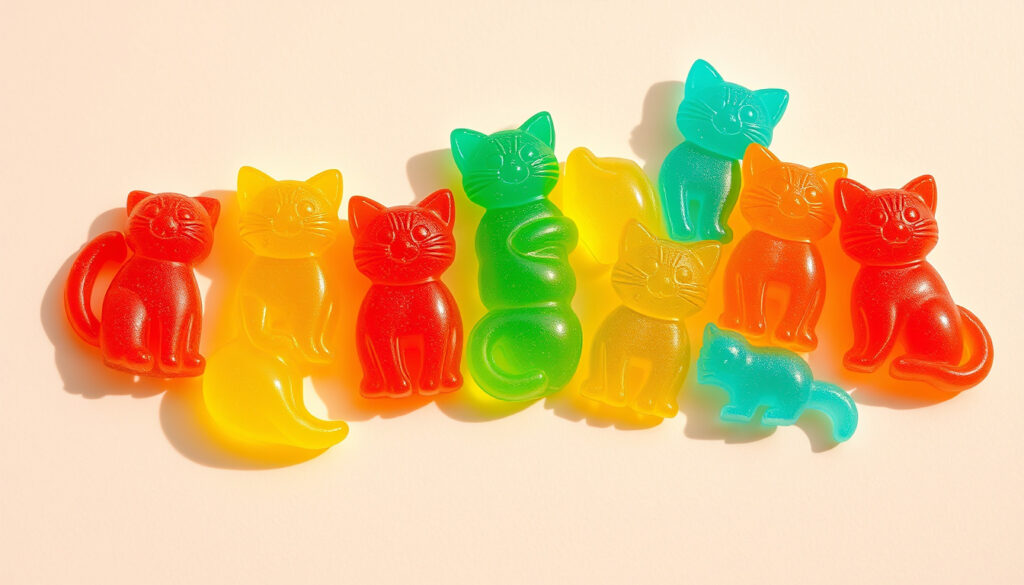
Candy Kittens: Jamie Laing’s Vegan Sweets Guide
You’ve probably spotted the bright pink packets in Tesco and wondered if they’re any different from the sugary classics you grew up with — Candy Kittens, the brand fronted by Made in Chelsea’s Jamie Laing, has been making bold claims about being vegan, palm oil free, and packed with “no nasties” since it removed gelatine back in 2018. This article cuts through the marketing to show you exactly what’s inside those pouches, who runs the company, and where you can grab a bag.
Product Type: Gourmet vegan sweets ·
Key Features: 100% vegan, palm oil free, made with fruit juice ·
Founder: Jamie Laing (co-owner) ·
CEO: Edward Sweet-Williams ·
Retail Availability: Tesco, Dunnes Stores, own website
Quick snapshot
- Co-founded by Jamie Laing (Candy Kittens (official brand site))
- 100% vegan since beeswax removal (Vkind (vegan lifestyle publication))
- Palm oil free (Forest Green Rovers (club partner page))
- Exact revenue or profit figures
- Full list of all flavours ever released
- Whether Jamie Laing and Gennaro Contaldo are still friends
- 2017: Beef gelatine removed (Vkind)
- 2018: All animal gelatine removed (Forest Green Rovers)
- Later: Beeswax eliminated, brand becomes 100% vegan (Vkind)
- Continued retail expansion in UK and Ireland
- Potential new flavour launches
- Growing competition in vegan confectionery space
Six key specs, one pattern: Candy Kittens has built its entire identity around what it doesn’t put in the bag.
| Attribute | Details |
|---|---|
| Founder | Jamie Laing (co-owner) |
| CEO | Edward Sweet-Williams |
| Vegan | Yes |
| Palm Oil Free | Yes |
| Fruit Juice Content | 10% (in some variants) |
| Retailers | Tesco, Dunnes Stores, candykittens.co.uk |
Does Jamie Laing own Candy Kittens?
Yes, Jamie Laing is a co-founder and co-owner of Candy Kittens. The brand’s official site explicitly links him to the company, stating he co-founded it after his time on Made in Chelsea (Candy Kittens (official brand site)). He’s not just a face for the brand — he’s an active owner involved in product development and marketing.
Who is the CEO of Candy Kittens?
Edward Sweet-Williams serves as CEO of Candy Kittens. He was quoted by Vkind as saying the company was “delighted that we’ve reached this 100% vegan milestone” (Vkind (vegan lifestyle publication)). The leadership structure pairs Laing’s public profile with Sweet-Williams’ operational expertise.
Jamie Laing brings the celebrity pull, but Edward Sweet-Williams runs the day-to-day. For investors or retailers evaluating the brand, the key question is whether the management team can scale beyond Laing’s personal fame.
The implication: Laing’s public profile combined with Sweet-Williams’ operational expertise gives Candy Kittens a balanced leadership structure that supports retail growth.
What is special about Candy Kittens?
Candy Kittens markets itself as a gourmet vegan sweet brand with “no gelatine” and “no palm oil” (Candy Kittens (official brand site)). The brand says it uses “honest ingredients” and “absolutely no nasties” (Candy Kittens). Its tagline on social media is “Plant-Powered. Full Flavour” (Candy Kittens Facebook).
What Candy Kittens flavours are available?
The brand offers several flavours including Wild Strawberry and Eton Mess. Other seasonal and limited-edition flavours appear periodically, though the full list of all flavours ever released is not publicly documented. The brand’s website and retail partners list current offerings.
What are the ingredients in Candy Kittens?
Candy Kittens sweets are made with fruit juice — some variants contain 10% fruit juice. The brand states it uses “the power of plants” to deliver great-tasting sweets without animal gelatine (Candy Kittens). The FGR partnership page confirms the brand would never use palm oil in its sweets (Forest Green Rovers (club partner page)).
Are Candy Kittens vegan?
Yes, Candy Kittens is now 100% vegan. The brand removed all animal gelatine from its sweets in 2018 (Forest Green Rovers). Earlier, beef gelatine had already been removed in 2017 (Vkind). The final step was eliminating beeswax as an active component from the Eton Mess-flavoured sweets, which made the brand completely vegan (Vkind).
For vegan shoppers in the UK and Ireland, the transition from “mostly vegan” to “100% vegan” was a critical trust moment. The beeswax issue in Eton Mess sweets meant that even informed buyers could accidentally consume a non-vegan product. The brand’s fix closed that gap.
The pattern: Vegan shoppers now have a clear, trustworthy option from a mainstream supermarket brand.
Why did Jamie Laing make Candy Kittens?
Laing wanted to create a healthier sweet alternative. Inspired by his own love for sweets and his shift to veganism, he launched the brand after his Made in Chelsea fame gave him a platform. The brand’s official site says it believes in “the power of plants” to deliver great-tasting sweets without animal gelatine (Candy Kittens).
The origin story is straightforward: Laing saw a gap in the market for sweets that tasted like the ones he grew up with but didn’t contain animal-derived ingredients. The brand’s TikTok content frames gelatine as an ingredient found in traditional sweets that Candy Kittens does not use (Candy Kittens TikTok).
The implication: Candy Kittens isn’t trying to reinvent candy — it’s trying to replicate the experience without the ingredients that vegans and health-conscious consumers avoid.
How much money has Jamie Laing made from Candy Kittens?
Exact revenue figures are not publicly disclosed. Candy Kittens has achieved significant retail presence, including placement at Tesco, but the company is privately held and does not publish financial results. Jamie Laing’s wealth also comes from other ventures, including his family’s connection to McVitie’s.
Is Jamie Laing rich from McVitie’s?
Jamie Laing’s family has historical ties to the McVitie’s biscuit brand, which contributes to his personal wealth. However, his income from Candy Kittens specifically is not publicly known. The brand’s retail success suggests it generates revenue, but without public filings, the exact figures remain unclear.
For consumers and potential investors, the lack of public financial data means there’s no way to verify whether Candy Kittens is genuinely profitable or still burning through capital. The brand’s retail presence at Tesco is a strong signal, but it’s not the same as a published balance sheet.
The catch: Without financial disclosures, any assessment of Candy Kittens’ health remains speculative, even with its retail footprint.
Where to buy Candy Kittens?
Candy Kittens is available at Tesco in the UK and Ireland, at Dunnes Stores, and online at the brand’s own website (Candy Kittens (official brand site)). It is also sold through candyland.ie. The brand’s retail strategy focuses on major supermarket chains rather than independent confectionery shops.
Is Candy Kittens available at Tesco?
Yes, Candy Kittens is available at Tesco stores across the UK and Ireland. This placement gives the brand significant visibility among mainstream shoppers who might not otherwise seek out vegan sweets.
The pattern: Candy Kittens has chosen the supermarket route over niche health-food stores, positioning itself as a direct competitor to traditional confectionery brands rather than a specialty vegan product.
“We make sweets the New Fashioned® way – plants, not gelatine, for a better bite.”
— Candy Kittens brand homepage (Candy Kittens (official brand site))
“We’re delighted that we’ve reached this 100% vegan milestone.”
— Edward Sweet-Williams, CEO, as told to Vkind (Vkind (vegan lifestyle publication))
Candy Kittens has carved out a genuine space in the UK confectionery market by betting that enough shoppers care about what’s not in their sweets. The brand’s journey from gelatine-based to fully vegan took deliberate steps over several years, and its retail presence at Tesco and Dunnes Stores proves the concept works at scale. For the vegan shopper in the UK or Ireland looking for a mainstream-tasting sweet without the animal ingredients, the choice is clear: grab a bag at Tesco, or order online — but check the label if you’re avoiding beeswax, because not every flavour has always been fully vegan.
Related reading: Dorset Apple Cake Recipe: Mary Berry Traybake · How to Make Peppercorn Sauce: Classic & Easy Recipes
Frequently asked questions
Are Candy Kittens made with gelatin?
No. Candy Kittens removed all animal gelatine from its sweets in 2018 (Forest Green Rovers). The brand uses plant-based alternatives instead.
Does Candy Kittens use artificial flavors?
The brand states it uses “no fake stuff” and “absolutely no nasties” (Candy Kittens). Its sweets are made with fruit juice for natural flavouring.
How many flavours does Candy Kittens have?
The brand offers several core flavours including Wild Strawberry and Eton Mess, plus seasonal and limited-edition variants. A complete list of all flavours ever released is not publicly documented.
Can I buy Candy Kittens in bulk?
Yes, the brand’s official website (candykittens.co.uk) offers multi-pack options for online orders.
Is Candy Kittens considered gourmet candy?
Yes, the brand markets itself as “gourmet vegan sweets” and positions itself as a premium alternative to mainstream confectionery (Candy Kittens).
What does ‘No Nasties’ mean on Candy Kittens packaging?
“No Nasties” refers to the brand’s commitment to avoiding artificial ingredients, gelatine, and palm oil. The brand says it uses “honest ingredients” (Candy Kittens).
Are Candy Kittens suitable for vegetarians?
Yes, Candy Kittens are suitable for vegetarians and vegans, as they contain no animal-derived ingredients.
Does Candy Kittens contain nuts?
This depends on the specific flavour. Always check the packaging for allergen information before consuming.
More related posts
 Dog Fields Near Me – Secure UK Spots For Reactive Dogs
 Marks and Spencer Clothes – Sizes, Quality, History Guide
 Levi Colwill ACL Injury: Recovery Timeline & Update
 Charlie McDermott: What Happened to Axl Heck? Wife & Music
 Celtic FC Transfer News: Latest Signings, Rumours & Financials
 Web PGRoyal88.com – No Minimum Deposit PG Slots Review
 Desk Chair Buying Guide Ireland 2025: Prices & Expert Tips
 Unlimited Data Sim Only – Best UK Deals Compared