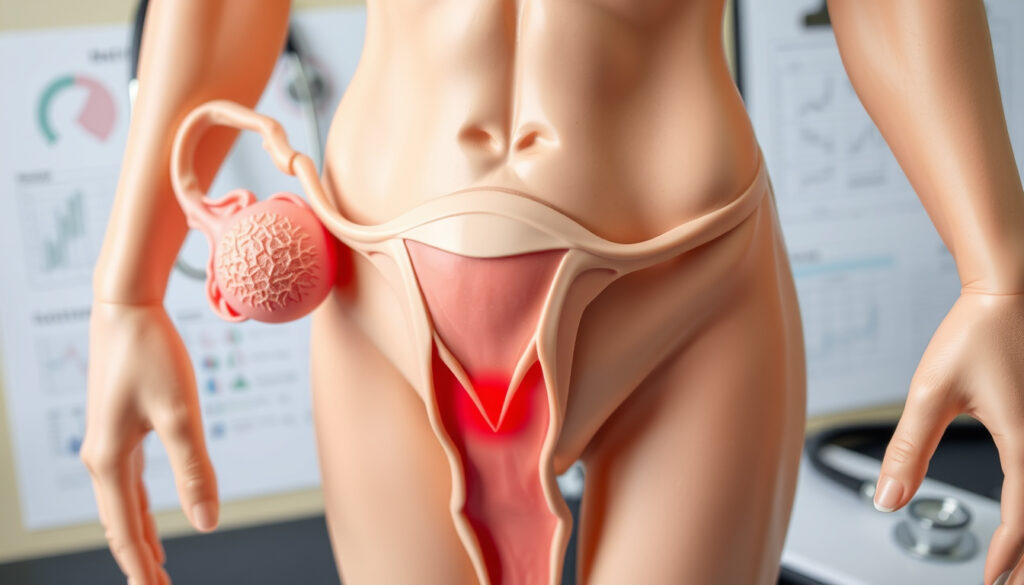
20 Symptoms of Endometriosis: Complete List and Expert Guide
Few conditions have as many faces as endometriosis, yet the average diagnosis takes seven to ten years despite affecting one in ten women of reproductive age. This guide unpacks each symptom, explains why endometriosis is routinely mistaken for irritable bowel syndrome, and introduces the 4 D’s framework specialists use to flag red flags early.
Prevalence: 1 in 10 women of reproductive age · Diagnosis delay: 7–10 years · Infertility link: Up to 50% of women with infertility have endometriosis
Quick snapshot
- Pelvic pain and cramping (Ubie Health symptom database)
- Painful periods (dysmenorrhea) (Ubie Health symptom database)
- Pain during intercourse (dyspareunia) (Ubie Health symptom database)
- Pain with bowel movements or urination (Ubie Health symptom database)
- Bloating and distension (International Endo specialist clinic)
- Constipation or diarrhea (International Endo specialist clinic)
- Painful bowel movements (dyschezia) (International Endo specialist clinic)
- Painful urination (dysuria) (International Endo specialist clinic)
- Heavy menstrual bleeding (Ubie Health symptom database)
- Infertility or subfertility (Ubie Health symptom database)
- Irregular periods (Ubie Health symptom database)
- Spotting between periods (Ubie Health symptom database)
- Fatigue and low energy (Ubie Health symptom database)
- Nausea and digestive upset (Ubie Health symptom database)
- Pain with ovulation (Ubie Health symptom database)
- Rectal fullness or pressure (Ubie Health symptom database)
Five facts that set the stage for understanding this condition.
| Fact | Detail |
|---|---|
| Prevalence | Affects 1 in 10 women of reproductive age |
| Diagnosis delay | Average 7 to 10 years from symptom onset |
| Common misdiagnosis | Irritable bowel syndrome (IBS) in up to 50% of cases |
| Primary treatment | Surgical excision (laparoscopy) considered gold standard |
| Peak age | Most commonly diagnosed between ages 25 and 35 |
What are the biggest signs of endometriosis?
Endometriosis presents with at least 20 recognized symptoms (Ubie Health symptom database), but a handful of indicators are so common they become diagnostic cornerstones.
Pelvic pain and cramping
- Primary symptom in most patients (Mayo Clinic medical institution)
- Pain often correlates with the menstrual cycle but can become chronic
Dr. Patrick Yeung, an endometriosis specialist, stresses that “severe, debilitating pain is not normal” and should never be dismissed as a bad period. The pain can start before a period and linger for days afterward.
Painful periods (dysmenorrhea)
- Nearly 60% of women with endometriosis report severe dysmenorrhea (PMC Study peer-reviewed research)
- Pain may not respond to over-the-counter NSAIDs
For many, menstrual cramps intensify over time, radiating to the lower back and thighs. Unlike primary dysmenorrhea, endometriosis-related pain often starts before the period and continues after it ends.
Pain during intercourse
- Dyspareunia affects about 30% of women with endometriosis
- Often described as deep pain during or after sex (Ubie Health symptom database)
This symptom is a frequent reason women seek gynaecological care, yet it remains underreported due to embarrassment.
Pain with bowel movements or urination
- Dyschezia (painful BMs) and dysuria (painful urination) are key markers
- The 4 D’s framework includes both (Liv Hospital teaching hospital)
When endometrial-like tissue implants on the bowel or bladder, the act of emptying triggers sharp pain. This often leads women to be misdiagnosed with IBS instead of endometriosis.
Heavy menstrual bleeding
- Menorrhagia (soaking through pads/tampons hourly) is common
- Can cause iron-deficiency anaemia (Mayo Clinic medical institution)
Fatigue and digestive issues
- Chronic fatigue affects up to 50% of patients
- Up to 80% of women report at least one bowel symptom (International Endo specialist clinic)
Bloating—the so-called “endo belly”—can be severe enough to mimic ovarian cysts. Nausea, constipation, and diarrhea are frequently cyclical but can become constant.
Infertility
- Up to 50% of women with infertility have endometriosis (Johns Hopkins Medicine academic medical centre)
- Endometriosis can cause adhesions that block fallopian tubes and reduce ovarian reserve
Infertility is often the first symptom that drives women to a specialist. Yet because it doesn’t hurt, many delay checking until they try to conceive—by which time adhesions may already be advanced.
Bottom line: Endometriosis is a multi-symptom disease. Pelvic pain, period pain, and pain during sex are the loudest signals, but GI symptoms and fatigue are equally common. No two patients share the same symptom set.
What will happen if endometriosis is left untreated?
Without intervention, endometriosis tends to progress—though the rate varies widely. A recent systematic review found that about 30% of women see symptoms worsen over two to five years (Food Guides health resource).
Progression of adhesions and scarring
- Endometrial implants can deepen, forming cysts (endometriomas)
- Adhesions may bind organs together, distorting anatomy (Bladder and Bowel Community patient advocacy)
Chronic pelvic pain development
- Pain becomes constant, not just cyclical
- Nerve sensitization can occur, making even light touch painful
Infertility and reduced ovarian reserve
- Fallopian tube blockage, poor egg quality, and implantation failure (Johns Hopkins Medicine academic medical centre)
Bowel and bladder complications
- Partial bowel obstruction, hydronephrosis from ureteral compression
- Blood in stool, severe straining
Increased risk of certain cancers (rare)
- Ovarian cancer risk is about 2–3 times higher, but absolute risk remains low
- Endometriosis-associated adenocarcinoma is extremely rare (PMC Study peer-reviewed research)
Bottom line: Untreated endometriosis can steal years of quality of life. The risk of permanent infertility and chronic pain makes early diagnosis—and treatment—urgent. For women with bowel implants, the condition can mimic a progressive GI disorder.
Which is the best treatment for endometriosis?
No cure exists, but a range of treatments can return quality of life. The choice depends on symptom severity and whether the patient wants to become pregnant (Liv Hospital teaching hospital).
Pain management options (NSAIDs, hormonal therapy)
- NSAIDs (ibuprofen, naproxen) can reduce prostaglandin-driven pain
- Hormonal birth control (pill, patch, ring) suppresses ovulation and menstruation
- GnRH agonists create a temporary menopause-like state
Hormonal treatments (birth control, GnRH agonists)
- Combined oral contraceptives reduce lesion activity
- Progestin-only options (Mirena IUD, Depo-Provera) thin endometrial tissue
Surgical excision (laparoscopy)
- Considered gold standard for both diagnosis and treatment
- Surgeon removes visible lesions, adhesions, and cysts
- Symptom relief is often immediate but not permanent—recurrence rates are 20–40% at five years (Mayo Clinic medical institution)
Fertility treatments (IVF)
- IVF bypasses damaged fallopian tubes and low ovarian reserve (Johns Hopkins Medicine academic medical centre)
- Surgery before IVF improves outcomes in moderate-to-severe disease
Complementary approaches (diet, acupuncture)
- Anti-inflammatory diets (low in red meat, high in omega-3s) may reduce pain
- Acupuncture shows modest benefit for pain in small trials
Hormonal treatments only suppress symptoms—they don’t eliminate lesions. Surgery offers the best chance of long-term relief, but it requires an experienced endometriosis surgeon. For women prioritizing fertility, IVF with pre-surgical planning is often the fastest path.
Bottom line: There is no single best treatment. For pain-dominant cases, hormonal suppression plus excision works. For fertility-dominant cases, IVF with or without surgery. Lifestyle changes are adjuncts, not replacements.
What can be mistaken for endometriosis?
Endometriosis is famously misdiagnosed, most often as IBS. One study found that women with endometriosis are 3.5 times more likely to receive an IBS diagnosis than those without (Food Guides health resource). A comparison of the two conditions clarifies the overlap.
| Symptom | Endometriosis | Irritable Bowel Syndrome (IBS) |
|---|---|---|
| Pain timing | Worsens before and during menstruation | Worsens after eating or with stress (Medical News Today health media) |
| Bloating | Often cyclic, may persist beyond period | Daily, triggered by meals (PMC Study peer-reviewed research) |
| Diarrhea/constipation | More common during menses | Chronic, often alternating |
| Deep pain with sex | Very common (dyspareunia) | Uncommon |
| Infertility | Present in up to 50% | Not a feature |
The pattern: cyclical symptoms that track the menstrual calendar point to endometriosis, while food-triggered daily symptoms suggest IBS. Yet many patients—like Helen Brook, who spent 20 years with an IBS label before being diagnosed with endometriosis at age 35 (Bladder and Bowel Community patient advocacy)—receive the wrong diagnosis.
Other conditions often confused with endometriosis
- Ovarian cysts (especially hemorrhagic cysts)
- Pelvic inflammatory disease (Liv Hospital teaching hospital)
- Uterine fibroids
- Interstitial cystitis (pain on bladder filling)
What are the 4 D’s of endometriosis?
Specialists use the 4 D’s as a quick mental checklist for endometriosis red flags. They are:
- Dysmenorrhea – painful, disabling periods
- Dyspareunia – deep pain during or after intercourse
- Dyschezia – painful bowel movements
- Dysuria – painful urination
All four begin with “dys” (Greek for “bad” or “painful”). Not every patient experiences all four, but the presence of even two significantly raises suspicion for endometriosis (Ubie Health symptom database).
If you check two or more of the 4 D’s, the probability of endometriosis is high enough to justify a laparoscopy. No other condition hits all four markers as consistently.
What is the sister disease to endometriosis?
Adenomyosis is often called “the sister disease” because it involves endometrial-like tissue growing into the muscular wall of the uterus itself (Mayo Clinic medical institution). Up to 20–30% of women with endometriosis also have adenomyosis.
Similarities with adenomyosis
- Both cause heavy bleeding, pain, and infertility
- Both are estrogen-driven
- Diagnosis requires imaging (MRI or ultrasound) for adenomyosis, laparoscopy for endometriosis
Overlap with interstitial cystitis
- Painful bladder filling that mimics dysuria
- Co-occurrence rates of 50–70% in some studies (PMC Study peer-reviewed research)
Relationship with fibroids
- Both cause heavy bleeding and pelvic pressure
- Fibroids are benign muscle tumours, not inflammatory lesions
- Symptom profiles overlap, making imaging critical
Bottom line: Endometriosis rarely travels alone. Adenomyosis, interstitial cystitis, and fibroids are common co-conditions. Treating endometriosis without screening for its sisters often leads to incomplete symptom relief.
What is clear and what remains uncertain?
Confirmed facts
- Endometriosis is an estrogen-dependent condition (Mayo Clinic medical institution)
- Symptoms often improve with pregnancy and menopause
- Laparoscopy with biopsy is the definitive diagnostic method
- There is no cure, but treatments can manage symptoms
- Up to 80% of patients have bowel symptoms (International Endo specialist clinic)
What’s unclear
- Exact cause (retrograde menstruation, immune dysfunction, genetics all possible) (Johns Hopkins Medicine academic medical centre)
- Whether endometriosis is an autoimmune disease
- Precise role of diet and lifestyle in symptom management
- Long-term natural history for all stages
Expert perspectives and patient stories
“Severe, debilitating pain is not normal. If your periods prevent you from going to school or work, that’s a red flag.”
— Dr. Patrick Yeung, endometriosis specialist
“Pain may start before a period and last for several days into it. The intensity can be severe enough to disrupt daily life.”
— Mayo Clinic, symptom overview
“Endometriosis can cause chronic pelvic pain and infertility. It’s often not diagnosed until a woman tries to get pregnant.”
— Johns Hopkins Medicine
“I was told I had IBS from age 15. It took 20 years and a change of doctor to finally get the endometriosis diagnosis.”
— Helen Brook, patient
For a comprehensive overview of the condition, you can refer to this detailed guide on the 20 symptoms of endometriosis.
Frequently asked questions
Can endometriosis go away on its own?
Endometriosis rarely resolves spontaneously. Symptoms may improve during pregnancy or after menopause due to hormonal changes, but the tissue remains, and symptoms can return if estrogen levels rise again (Mayo Clinic medical institution).
Does endometriosis affect pregnancy or fertility?
Yes. Up to 50% of women with infertility have endometriosis. The condition can cause adhesions that block fallopian tubes, reduce ovarian reserve, and impair implantation (Johns Hopkins Medicine academic medical centre). However, many women with endometriosis conceive naturally or with assisted reproduction.
Is there a simple blood test for endometriosis?
No. There is no blood test that can diagnose endometriosis. The only definitive method is laparoscopy with biopsy. Blood markers like CA-125 are sometimes elevated but are not specific enough to confirm the disease (Bladder and Bowel Community patient advocacy).
What foods or diet can worsen endometriosis symptoms?
High-fat, high-sugar diets and foods that promote inflammation—red meat, processed foods, and dairy—may worsen pain. Some women report symptom relief with an anti-inflammatory diet (rich in vegetables, omega-3s, and turmeric) (Food Guides health resource).
Can exercise help manage endometriosis pain?
Moderate exercise can reduce pain by lowering estrogen levels and improving blood flow. High-impact exercise may aggravate pain during flares, but gentle activities like yoga, swimming, and walking are generally beneficial (Liv Hospital teaching hospital).
Is endometriosis considered an autoimmune disease?
Currently, no. Endometriosis is an inflammatory, estrogen-dependent condition, not an autoimmune disease. However, it shares features with autoimmune disorders—immune dysfunction and systemic inflammation—leading some researchers to suggest the classification could change (PMC Study peer-reviewed research).
At what age does endometriosis typically start?
Symptoms often begin in adolescence, but diagnosis is most common between ages 25 and 35. The average delay of 7–10 years means many women live with symptoms for a decade before receiving a correct diagnosis (Food Guides health resource).
Can endometriosis recur after surgery?
Yes. Even with expert surgical excision, recurrence rates are 20–40% within five years. Hormonal suppression after surgery (e.g., birth control pill) reduces the risk of return (Mayo Clinic medical institution).
Related reading
- What Is Cystic Fibrosis – Causes Symptoms Treatment Guide — another chronic condition guide with symptom depth
- Headache Back of Head: Causes, Relief and When to Worry — useful when exploring pain symptom overlap
The single most important takeaway: endometriosis is not “just bad periods.” It is a systemic, inflammatory disease with at least 20 distinct symptoms. For women in the UK, the United States, and beyond, the average diagnostic delay of 7–10 years is unacceptable. The choice for healthcare systems is clear: train primary care doctors in the 4 D’s and the GI overlap, or continue to lose years of quality of life for millions of patients.
More related posts
 Shraddha Kapoor: Relationship, Career, Net Worth & Upcoming Movies
 Gyles Brandreth: Life, Career, Family, and Grandson’s Cancer
 Cast of the Inbetweeners – Main Actors Seasons Movies Guide
 John McAfee: Death, Fortune, and Controversy – Full Story
 Is Guardians of the Galaxy Game Good? Length, Sales & Guide
 Ahn Hyo-Seop: Relationships, English, Military Exemption & Career
 Alfie Boe: Wife, Divorce, Partner, Net Worth, and Career Facts
 Alfred Hitchcock: Biography, Movies, and the Man Behind Suspense