What Does In Transit Mean – USPS, FedEx, Royal Mail Guide
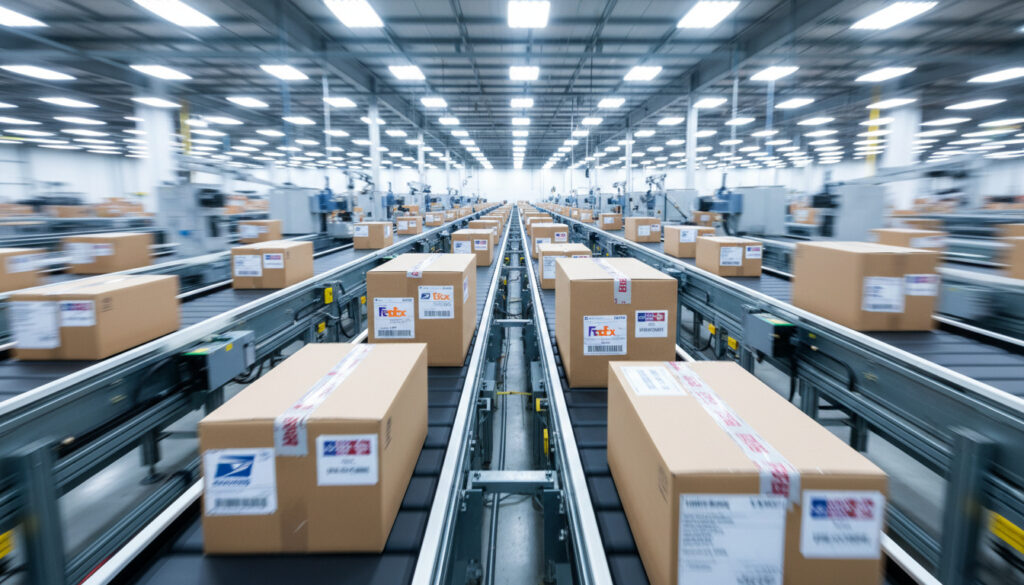
Seeing “in transit” on your tracking screen confirms your package is moving, but it tells you little about when it will actually arrive. Across USPS, FedEx, Royal Mail, Evri, DPD, and Shein logistics networks, this status indicates your shipment is en route between facilities, on a vehicle, or at a sorting center—not that it is approaching your door imminently.
The phrase creates immediate confusion for online shoppers expecting same-day arrival. While the status confirms progression through the delivery network, actual timelines vary dramatically by carrier, service level, and distance, typically spanning one to eight business days before final delivery.
This guide breaks down exactly what “in transit” means for each major carrier, how long you should expect to wait, and why the status does not guarantee delivery today.
What Does ‘In Transit’ Mean?
Package actively moving through the carrier’s logistics network between origin and destination facilities.
Occurs after initial pickup and before the “Out for Delivery” status appears.
Standard terminology used by USPS, FedEx, Royal Mail, Evri, DPD, Shein, and global freight networks.
Does not indicate same-day arrival or proximity to the final delivery address.
- Status confirms physical movement through scanning events, not stationary storage
- USPS typically updates this status every 24 hours as packages transition facilities
- Precedes the “Out for Delivery” scan, which indicates same-day arrival expectation
- Actual duration ranges from 1-8 business days depending on service type and distance
- Weather, traffic, and staffing shortages commonly extend transit times
- Tracking may display “In Transit” even when packages sit unscanned at facilities
- Contact thresholds vary, but 24+ hours without scans typically warrants carrier inquiry
| Carrier/Service | Specific Meaning | Typical Duration |
|---|---|---|
| USPS Priority Mail | Progressing between regional distribution facilities | 1-3 business days |
| USPS First-Class Mail | Moving through network on standard postal routes | 1-3 business days |
| USPS Retail Ground | Transitioning between origin and local post offices | 2-8 business days |
| USPS Priority Mail Express | On truck, plane, or at priority sorting center | 1-2 calendar days |
| FedEx (General) | Traveling between facilities or toward delivery address | Varies by service tier |
| Royal Mail | En route via national postal network | Check carrier tracking |
| Evri | Moving through parcel distribution network | Check carrier tracking |
| DPD | In transit between depots | Check carrier tracking |
| Shein Logistics | International shipment en route to destination country | Carrier-dependent |
What Does ‘In Transit’ Mean for Major Carriers Like USPS, FedEx, and Royal Mail?
USPS Specifics
For USPS shipments, “in transit” indicates your package is progressing through the postal network, transitioning between facilities such as regional distribution centers and local post offices. The status appears when items move on trucks, planes, or while resting at sorting centers awaiting the next transport leg. Scan updates occur roughly every 24 hours, according to shipping process documentation.
The status specifically precedes “Out for Delivery,” which triggers only when your package reaches the local post office and enters the delivery vehicle. USPS also uses the phrase “En Route to Next USPS Network Stop” to indicate movement toward closer facilities. If your tracking shows no scan for 24 hours or more, the package typically remains on schedule but may sit unscanned at a facility.
USPS systems generate “in transit” updates approximately every 24 hours during facility transitions. Allow a full day between scans before assuming delays, as packages often move without intermediate scanning events.
For related carrier comparisons, see What Does In Transit Mean – USPS, FedEx, Royal Mail, Evri & Shein Guide.
FedEx Interpretation
FedEx applies “in transit” to packages traveling between company facilities or moving toward the final delivery address. Unlike some carriers, FedEx tracking includes estimated delivery dates and times alongside this status, providing more specific arrival windows than USPS standard tracking. The definition aligns with general industry usage, confirming active movement within the FedEx network.
Royal Mail Usage
Royal Mail uses “in transit” to indicate parcels are carrying toward their destination through the national postal infrastructure. While specific Royal Mail transit timelines were not detailed in available documentation, the status follows standard industry conventions, indicating en-route movement rather than facility processing or final delivery preparation.
What Does ‘In Transit’ Mean for Evri, DPD, and Shein?
Evri and DPD
Both Evri and DPD utilize “in transit” status updates, though specific definitions for these UK-based carriers were not available in shipping documentation. The status generally follows industry standards, indicating parcels are moving between depots or through sorting networks. Customers should consult Evri or DPD tracking portals directly for service-specific time estimates, as transit durations vary by route and service level.
Shein Orders
For Shein purchases, “in transit” typically appears during international shipping phases, indicating packages have left origin warehouses and are moving through airline or maritime networks toward destination countries. As a fashion retailer utilizing multiple logistics partners, Shein’s specific transit definitions depend on the final-mile carrier assigned within your region, often displaying handoffs to local postal services or couriers.
Does ‘In Transit’ Mean It Will Be Delivered Today?
The status explicitly does not indicate same-day delivery. “In transit” confirms your package is somewhere within the logistics network—potentially hundreds of miles away or at a regional hub—while “Out for Delivery” represents the only status guaranteeing arrival before the end of the current business day. This distinction causes significant customer confusion, particularly with USPS shipments where the gap between transit and delivery can span several days.
Carriers including USPS, FedEx, and Royal Mail reserve “Out for Delivery” or similar final-mile language for packages already loaded onto local delivery vehicles. Until that scan appears, delivery today remains impossible regardless of how long the package has shown “in transit.”
Never expect delivery on the current date when tracking shows “in transit.” This status confirms movement between facilities, not proximity to your address or loading onto delivery vehicles.
When Packages Appear Stuck
USPS documentation notes that packages showing “in transit” without scans for 24 hours or more are usually still moving correctly through the system. However, if the status persists beyond five days for Priority Mail or exceeds expected windows for other services, contacting the carrier is advisable. Weather events, traffic disruptions, and staffing shortages commonly extend transit times without indicating package loss.
How Long Does ‘In Transit’ Typically Take?
Transit durations vary primarily by service level selected at purchase and the physical distance between origin and destination. While general estimates suggest one to eight business days, specific carrier services offer more predictable windows.
- USPS Priority Mail: Typically 1-3 business days from “in transit” appearance to delivery Anytime Mailbox
- USPS First-Class Mail: Usually 1-3 business days for lightweight packages PostScan Mail
- USPS Retail Ground: Generally 2-8 business days for heavier items Anytime Mailbox
- USPS Priority Mail Express: 1-2 calendar days with money-back guarantee ShipAid
- FedEx Services: Varies by specific service tier, with estimated delivery dates provided in tracking updates PhaseV
- Royal Mail/Evri/DPD: No specific standard timeframes published; check individual carrier estimates
Air transport typically moves faster than ground shipping, while cross-country routes require more time than regional deliveries. USPS aims for delivery by 5 PM local time Monday through Saturday, though delays from weather or operational issues can push arrivals beyond initial estimates.
What Is Definite vs. Uncertain About ‘In Transit’ Status?
| Established Information | Information That Remains Unclear |
|---|---|
| Package has departed origin facility and entered carrier network | Exact geographic location between scan events |
| USPS provides updates roughly every 24 hours during facility transitions | Specific transit durations for Royal Mail, Evri, and DPD services |
| Status always precedes “Out for Delivery” by hours or days | Whether package is actively moving on vehicle or stationary at hub |
| Standard delivery windows range from 1-8 business days by service type | Precise delivery date without final “Out for Delivery” scan |
| Weather, traffic, and staffing shortages commonly cause delays | Impact of unscanned packages on estimated arrival accuracy |
Why Do Logistics Networks Use the ‘In Transit’ Designation?
The “in transit” status serves as necessary shorthand within complex global supply chains where packages may touch dozens of hands and traverse multiple modes of transport. Rather than listing every warehouse or truck change, carriers bucket all movement-phase activity under this single indicator, simplifying tracking for millions of daily shipments while maintaining operational security around specific facility locations.
This categorization allows retail customers to distinguish between packages still at sellers’ warehouses versus those actively approaching their region. For carriers like USPS processing billions of pieces annually, granular location updates would overwhelm infrastructure; the binary “moving/stationary” distinction balances information needs with operational reality.
Official USPS guidance notes that tracking statuses may not reflect exact physical location. A package showing “in transit” for multiple days might sit unscanned at a sorting hub or move on a truck without scanning equipment. Always verify through official carrier websites.
What Do Official Carrier Sources Say About ‘In Transit’?
“In transit means your package is moving within the FedEx network. It will be delivered on the scheduled delivery date and time.”
“In transit means that your package is on its way to its final destination. It does not necessarily mean that your package is in a moving vehicle such as an aircraft or truck—it may be at a FedEx facility.”
PhaseV Shipping Process Analysis
“Usually when a package has not been scanned for 24 hours or more, it is still on its way to its destination. However, if the tracking has not updated in 5 or more days, you should contact USPS.”
PostScan Mail USPS Guide
What Are the Key Facts About ‘In Transit’ Status?
The “in transit” status confirms your package has entered the logistics network and is moving between facilities, but it guarantees nothing about immediate delivery. For USPS shipments, expect 1-3 days for Priority services or up to 8 days for Retail Ground; FedEx provides specific estimated dates; while Royal Mail, Evri, DPD, and Shein require checking individual carrier portals for timing specifics. Remember that “Out for Delivery,” not “in transit,” indicates same-day arrival. For additional carrier comparisons, see What Does In Transit Mean – USPS, FedEx, Royal Mail Explained.
Frequently Asked Questions
Why does my package say “in transit” for several days?
Packages may remain in transit status for multiple days while moving between regional facilities or during transport via ground networks. USPS Retail Ground service specifically spans 2-8 business days. Weather delays and unscanned packages at hubs also extend this period without indicating loss.
What is the difference between “in transit” and “out for delivery”?
“In transit” means your package is moving between facilities or in the network, possibly far from your address. “Out for delivery” indicates the package is loaded onto a local delivery vehicle and will arrive today.
Can a package be “in transit” without actually moving?
Yes. Packages often sit unscanned at sorting hubs for 24 hours or more while technically “in transit.” USPS notes that lack of scans for up to 24 hours usually means the item is still moving correctly through the system.
How often does USPS update “in transit” status?
USPS typically updates “in transit” status approximately every 24 hours as packages transition between facilities. However, updates may lag if packages move on trucks without scanning equipment or during high-volume periods.
Why is my international Shein order stuck “in transit” for weeks?
International Shein orders often show “in transit” during lengthy customs clearance processes or overseas shipping phases. The status may persist until the package reaches your country’s import facility and clears customs inspection.
What should I do if my package has been “in transit” for a week?
For USPS Priority Mail, contact customer service after 5 days without updates. For Retail Ground, wait up to 8 business days. Check with the specific carrier if tracking exceeds advertised service windows for your selected shipping tier.
Does “in transit” mean my package cleared customs?
Not necessarily. While international shipments show “in transit” during customs processing, this status alone does not confirm clearance. Specific “customs clearance” or “released” scans indicate completed customs procedures, separate from general transit status.
More related posts
 Kola Bokinni: Nationality, Career, and Ted Lasso Role
 What Is a Narcissist? Traits, Signs, and Coping Strategies
 Anneka Rice: From Challenge Anneka to Painter
 TV Listings for Today: What’s On in Ireland (2025)
 Jordan 4 University Blue – Release Date, Price and Styling Guide
 Melissa O’Neil: Marriage, Kids, and The Rookie Facts
 Maura Higgins: Net Worth, Relationships & Birkin Bag
 John Astin: Biography, Family, Adoption & Health Facts