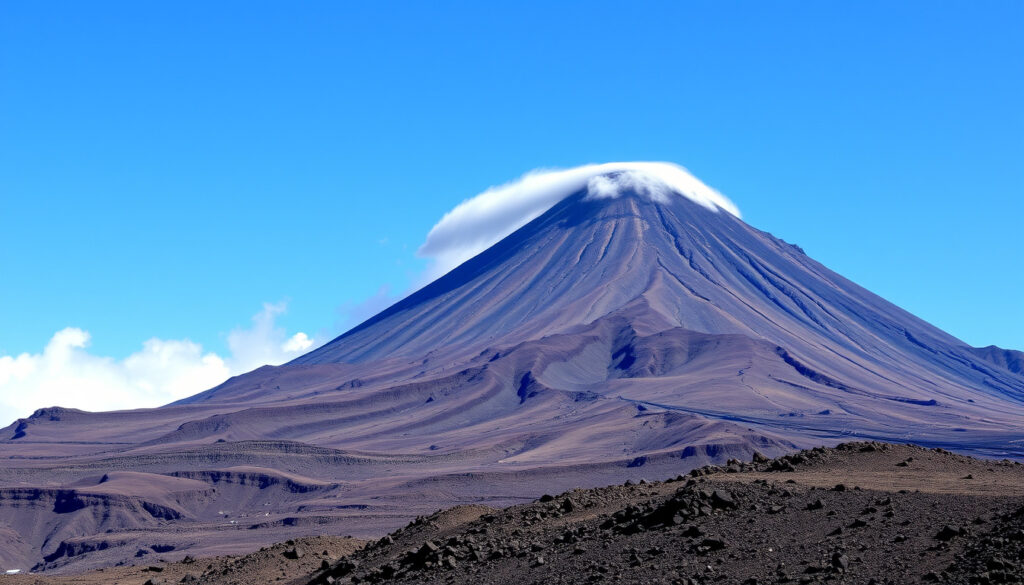
Mount Teide: Visitor’s Guide to Spain’s Highest Volcano
There’s something about a volcano that rises 3,718 m above the Atlantic that makes you want to see it up close. Whether you’re planning a cable car ride or a full summit hike, Mount Teide demands a little planning — and a few permits, which this guide covers.
Elevation: 3,718 m (12,198 ft) – highest peak in Spain ·
Total height from ocean floor: 7,500 m (24,600 ft) – third-tallest volcano on Earth ·
Last eruption: 1909 (from the El Chinyero vent) ·
Cable car top station: 3,555 m (11,663 ft)
Quick snapshot
- Spain’s highest peak at 3,718 m (Volcano Teide)
- Active but dormant volcano; last eruption 1909 (Wikipedia)
- UNESCO World Heritage Site since 2007 (UNESCO World Heritage Centre)
- Non-resident adult cable car round-trip: €42.00 (Volcano Teide official pricing)
- Exact summit hike duration varies by fitness and trail conditions
- Lava visibility is not guaranteed; no active lava flows at this time
- New permit slots released every Monday at 7:00 AM Canary Islands time (Volcano Teide) (Tenerife ON)
- Permit booking window: 28 days ahead on the Tenerife ON system (Tenerife ON)
- 2026 ecotasa fees for non-residents may apply: €15 without guide, €10 with guide (Honest Tenerife)
- Summer 2026 local guidance suggests weekday vs weekend price differences (Honest Tenerife)
Eight key facts, one pattern: the numbers are clear, but the fine print matters.
| Fact | Value |
|---|---|
| Official name | Teide (Pico del Teide) |
| Location | Tenerife, Canary Islands, Spain |
| Elevation | 3,718 m (12,198 ft) |
| Total height from ocean floor | 7,500 m (24,600 ft) |
| Volcano type | Stratovolcano (Teide-Pico Viejo) |
| Last eruption | 1909 |
| UNESCO designation | 2007 (Teide National Park) |
| Cable car maximum altitude | 3,555 m |
Is it worth going to Mount Teide?
What visitors say about the experience
- Ticket prices can feel high, but the views are unique. On TripAdvisor, reviews split between “worth every euro” and “too expensive for what you get.”
- Teide is a must-see for most Tenerife visitors, according to aggregated travel advice.
Pros and cons of visiting
The numbers tell a story: 3 million annual visitors, a UNESCO label, and a cable car that lifts you 1,200 m in 8 minutes. The trade-off is the price — a non-resident adult round-trip costs €42.00 (Volcano Teide official pricing).
For a family of four non-residents, the cable car alone costs €126 before any permits or guided tours. The question isn’t whether it’s worth visiting — it’s whether the experience matches the budget.
The implication: if you’re short on time or mobility, the cable car plus a short walk at La Rambleta delivers the iconic view. If you want the summit, you need a permit and more time.
How much does it cost to go to Mount Teide?
Cable car ticket prices
Four price categories, one official source: Volcano Teide’s pricing page lists the following for the Teleférico del Teide:
- Non-resident adult return: €42.00
- Resident adult return: €10.50
- Non-resident child return (ages 3-13): €21.00
- Resident child return: €5.25
- One-way non-resident adult: €23.50
- One-way resident adult: €5.88
All prices from Volcano Teide (official cable car operator).
Permit fees for hiking the summit
The summit permit itself is free to obtain, but you must book it through the Tenerife ON permit system. However, local guidance from 2025-2026 suggests that a new “ecotasa” may apply: non-residents could pay €15 without a guide or €10 with a guide for summit access (Honest Tenerife). Residents of Tenerife and children under 14 are reportedly exempt.
Guided tour packages
Tour operators like Volcano Teide offer packages ranging from €50 to €150 per person, typically including cable car, guide, and sometimes transport. Prices vary by season and group size.
A non-resident adult who wants the full summit experience (cable car + permit + guide) faces a minimum of €52 to €87 — and that’s without transport from your resort. Budgeting correctly upfront prevents a disappointing “no, you can’t go up” at the ticket booth.
The catch: the permit system opens 28 days ahead, and slots can fill within hours. The window is tight, especially for peak months.
Is Mount Teide still active?
Volcanic activity status
Teide is an active stratovolcano, but it is currently dormant. The Volcanological Institute of the Canary Islands (INVOLCAN) monitors it continuously. According to Wikipedia, the volcano has not erupted since 1909.
Recent eruptions and monitoring
- Last eruption: 1909 from the El Chinyero vent on the northwest rift.
- Seismic activity is low, and no signs of imminent eruption have been detected.
- Spanish National Geographic Institute (IGN) provides real-time seismic data.
Can you see lava or volcanic activity?
No active lava flows exist on the surface. Visitors can see fumaroles — steam vents that release hot gases — near the summit, but no lava. The question “Can you see lava in Teide?” is one of the most searched; the short answer is no, not unless an eruption occurs.
The pattern: Teide is a living volcano, but “living” means monitored, not dangerous. The risk is low, but the park maintains exclusion zones.
What film was filmed on Mount Teide?
Major movies filmed at Teide
- Clash of the Titans (2010) — used the volcanic landscape as the lair of Medusa.
- Fast & Furious 6 — the final runway scene was filmed on the island, with Teide as a backdrop.
- The Bourne Ultimatum — the chase through Tangier? Actually filmed partly in Tenerife, with Teide visible.
- Planet of the Apes (1968) — the original film used Teide for the “Forbidden Zone” scenes.
According to IMDb (film location database), dozens of productions have used Teide National Park as a stand-in for alien worlds, ancient Greece, and post-apocalyptic landscapes.
TV shows and documentaries
BBC’s Planet Earth and Wonders of the Solar System both featured Teide’s unique geology. The volcano’s resemblance to Mars has made it a favorite for space documentaries.
What this means: if you’re a movie buff, you can stand in the same spot where Medusa’s lair was filmed or where Jason Bourne ran. It’s a tangible connection to pop culture.
How long does it take to walk up Mount Teide?
Hiking trails and durations
- Summit hike from the base (e.g., Montaña Blanca trail): 5-8 hours one way, 8-12 hours round trip.
- Cable car + walk to peak: take the cable car to La Rambleta (3,555 m), then hike the Telesforo Bravo trail (PNT 10) to the summit. The walk is about 1-2 hours round trip, covering the last 200 m of elevation gain.
Source: Volcano Teide (cable car and hiking info).
Permit requirements
You need a free permit to hike the Telesforo Bravo trail (the last 200 m to the summit). The cable car itself does not require a permit. Permits are released every Monday at 7:00 AM Canary time, 28 days in advance, via Tenerife ON (official park permit system).
Difficulty and preparation
- Altitude: 3,718 m – altitude sickness is possible. Acclimatize for a day before ascending.
- Weather: can change rapidly; warm clothes essential even in summer.
- Fitness: moderate for the cable car + walk; strenuous for the full hike from base.
Pros and cons of visiting Mount Teide
Upsides
- Unparalleled views of Tenerife and the other Canary Islands
- Cable car makes high-altitude access easy for all fitness levels
- UNESCO World Heritage status guarantees natural beauty
- Rich in volcanic science and Hollywood history
Downsides
- Cable car tickets are expensive for non-residents (€42 return)
- Permit system is complex and slots fill quickly
- Altitude can cause discomfort even for healthy visitors
- No visible lava flows – expectations must be managed
The pattern: the experience is either a highlight or a budget strain, depending on your priorities.
Steps to visit Mount Teide
- Decide your route: cable car only, cable car + summit hike, or full hike from base.
- Book your permit (if hiking to summit) at Tenerife ON – exactly 28 days before your visit, on a Monday at 7:00 AM Canary time.
- Buy cable car tickets online in advance via Volcano Teide to avoid queues.
- Prepare for altitude: drink water, avoid alcohol, and bring warm layered clothing.
- Arrive early: the cable car runs from 9:00 AM, but permit holders need to check in by 12:00 PM.
- Check weather: the cable car closes in high winds or low visibility.
What this means: planning ahead is the key to a smooth visit.
Confirmed facts vs what’s unclear
Confirmed facts
- Mount Teide is an active volcano but has not erupted since 1909 (Wikipedia).
- The summit is the highest point in Spain (Volcano Teide).
- Cable car tickets cost approximately €38-€44 for a non-resident adult round trip (Volcano Teide official pricing).
- Several Hollywood films have used Teide as a backdrop (IMDb).
What’s unclear
- Exact duration of the summit hike varies by fitness and trail conditions.
- Lava visibility is not guaranteed; no active lava flows at this time.
- New ecotasa fees for non-residents in 2026 are not yet finalized.
The implication: while the facts are solid, some details remain subject to change.
Quotes and perspectives
“Teide National Park is a globally significant natural site that illustrates the volcanic processes that formed the Canary Islands.”
“The views are breathtaking, but the price tag for the cable car makes you think twice. If you’re on a budget, hiking from the base is free but takes a full day.”
— Visitor review on TripAdvisor
“The permit system is a pain, but once you’re on the summit trail, you understand why it’s regulated. The landscape is fragile and incredible.”
— Hiker forum post on Volcano Teide community
Summary: Mount Teide offers a rare combination of accessible high-altitude views, volcanic science, and pop culture fame. For the casual visitor, the cable car is the straightforward option — but it comes at a cost. For the hiker, the permit system is a hurdle worth jumping. The trade-off is clear: convenience versus adventure, and budget versus experience. For a family of four from the UK, the total outlay for a cable car visit (€126 for tickets, plus transport and food) is roughly the same as a full-day guided tour. The smarter choice depends on whether you want to just see the volcano or truly stand on top of it.
canaryvip.com, siebeninseln.de, wonderfultenerife.com, machupicchu.org, my-travelmonkey.com, tenerifeexperiences.com, tenerifecotours.com, honest-tenerife.com, playcards.wiki
Travelers looking for detailed information on permits and cable car prices can consult this Mount Teide visitor guide.
Frequently asked questions
Do I need a permit to hike Mount Teide?
Yes, a free permit is required to hike the Telesforo Bravo trail from La Rambleta to the summit. The permit is obtained through Tenerife ON and must be booked in advance.
What is the best time of year to visit Mount Teide?
Spring (April-June) and autumn (September-October) offer mild weather and fewer crowds. Summer is busy but clear, while winter can bring snow to the summit.
How do I get to Teide National Park from Tenerife resorts?
By car: from the south (Costa Adeje, Playa de las Américas) it’s about 45 minutes via TF-21. From the north (Puerto de la Cruz) about 60 minutes via TF-24. Bus services (Titsa line 342) also run from both sides.
Are there guided tours available on Mount Teide?
Yes, many operators offer guided tours including cable car, summit hike, and stargazing experiences. Prices range from €50 to €150 per person.
Can you stay overnight at Mount Teide?
Overnight stays are not allowed inside the national park, except at the Parador de Las Cañadas del Teide (a hotel within the park). There are no camping facilities.
What should I wear to visit Mount Teide?
Layered clothing, sturdy shoes, sunscreen, and a hat. Even in summer, the summit can be windy and cold (10-15°C cooler than the coast).
Is the Mount Teide cable car worth the price?
For most visitors, yes — the views from the top are unique and the ride is an experience in itself. However, at €42 per adult non-resident, it’s a significant expense. If you’re on a tight budget, consider hiking the Montaña Blanca trail (free, but requires full day).
More related posts
 Theo Hernandez’s Al-Hilal Transfer: Salary & Career
 Louis Vuitton Guide: Prices, Best Bags & Buying Tips
 Father of the Bride Speech – Examples Templates and UK Guide
 Lola Tung: Ethnicity, Parents, Relationship & Career Facts
 How Old Is Chris Hughes in 2025? Age, Relationship, Bio
 Daniela Avanzini: Age, Ethnicity, Height, and More
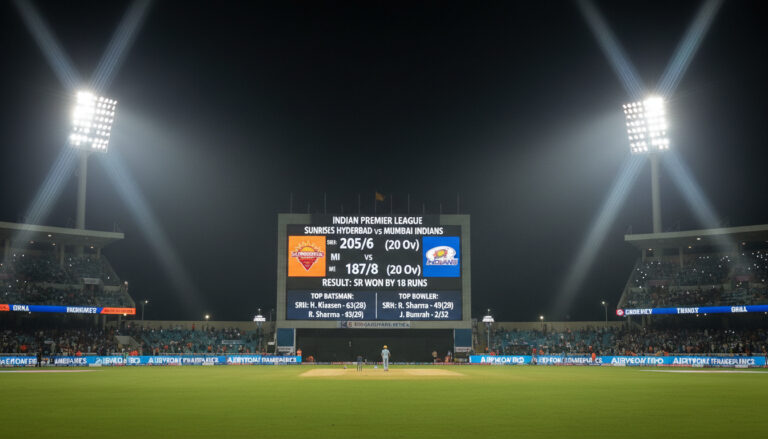 Sunrisers Hyderabad vs Mumbai Indians Match Scorecard – Full Results and Key Stats