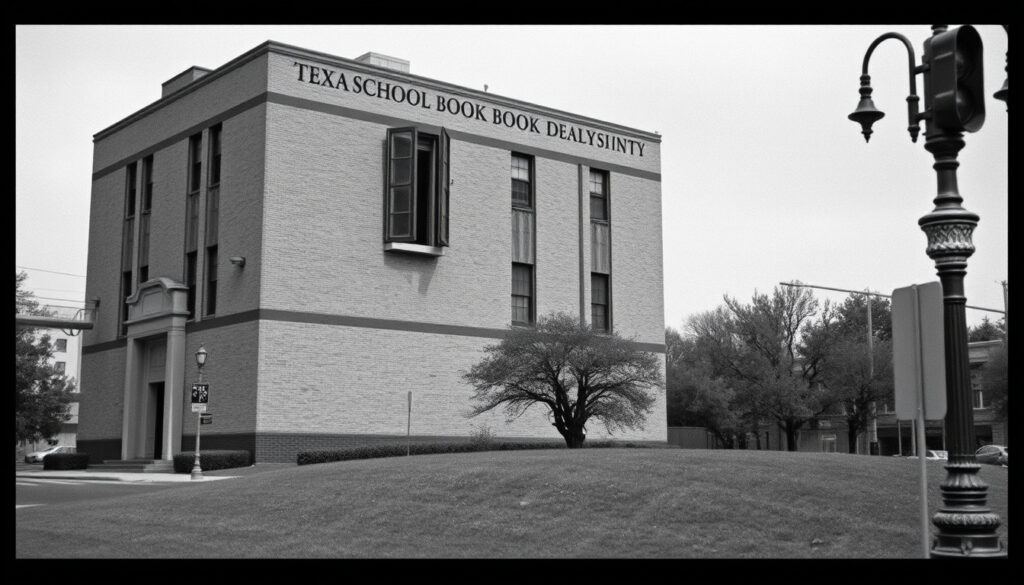
Lee Harvey Oswald: Lone Assassin or Conspiracy Figure
Few moments in American history have sparked as many questions as the assassination of President John F. Kennedy. At the center of those questions is a single name: Lee Harvey Oswald.
Assassination: November 22, 1963 (Britannica) · Official conclusion: Oswald acted alone (Warren Commission via Wikipedia) · Later finding: Probable conspiracy (National Archives)
Quick snapshot
- Warren Commission concluded Oswald acted alone (Wikipedia)
- Jack Ruby acted alone in killing Oswald (Wikipedia)
- House Select Committee found probable conspiracy (National Archives)
- Oswald’s exact motive for killing Kennedy (Britannica)
- Whether he had accomplices (Britannica)
- Full extent of his activities in the Soviet Union (Britannica)
- Nov 22, 1963 — Assassination (Britannica)
- Nov 29, 1963 — Warren Commission appointed (Britannica)
- 1976 — House Select Committee established (National Archives)
- 1992 — JFK Records Act signed (Wikipedia)
- 2025 — Newly released files (Associated Press)
- Continued review and release of JFK records under the 1992 Act (National Archives)
- Ongoing public and scholarly debate about Oswald’s potential co-conspirators (Britannica)
Ten key facts, one pattern: the official record is split, and Oswald sits at the center of the divide.
| Fact | Detail |
|---|---|
| Warren Commission appointed | November 29, 1963 (Britannica) |
| Warren Commission conclusion | Oswald acted alone (Wikipedia) |
| Jack Ruby conclusion | Ruby acted alone (Wikipedia) |
| House Select Committee established | 1976 (National Archives) |
| HSCA conclusion | Probable conspiracy (National Archives) |
| JFK Records Collection size | Over 6 million pages (National Archives) |
| JFK Records Act | Effective October 26, 1992 (Wikipedia) |
| 2025 files | Added CIA detail but no conspiracy proof (Associated Press) |
| Common conspiracy focuses | CIA, organized crime, anti-Castro groups, Soviet Union (Britannica) |
The pattern: two official investigations produced opposite conclusions about the same man.
The same figure the Warren Commission called a lone killer is the figure the HSCA indirectly positioned as a potential participant in a broader plot. That tension makes Oswald permanent kindling for conspiracy debates.
What Did the Warren Commission Conclude?
The formal inquiry
- The commission was appointed by President Lyndon B. Johnson on November 29, 1963, one week after the assassination.
- Its 10-month investigation involved hundreds of witnesses and thousands of documents (TIME).
- The final report concluded that Lee Harvey Oswald fired the shots that killed President Kennedy and that he acted alone.
Critiques of the report
- Critics argue the commission lacked access to key intelligence files and relied on the FBI’s single-assassin assumption (Britannica).
- The TIME summary notes the commission found “no evidence” that Oswald or Ruby was part of any conspiracy.
The implication: a closed investigation that felt incomplete to the public.
Why Did the House Select Committee Disagree?
A second investigation
- The House Select Committee on Assassinations (HSCA) was established in 1976 to reinvestigate the Kennedy and King murders.
- After reviewing acoustic evidence and other material, the HSCA concluded that President Kennedy was “probably assassinated as a result of a conspiracy”.
- It did not name specific co-conspirators but pointed to the likelihood of organized crime involvement (Britannica).
The impact
- The HSCA finding directly contradicted the Warren Commission’s lone-assassin conclusion.
- It also stated that the evidence supported a probable conspiracy finding.
- This opened the door for decades of renewed speculation about Oswald’s potential connections.
The HSCA itself could not prove who else was involved. Its “probable” language left room for doubt, and Oswald’s role remained the fixed point around which all theories revolved.
The pattern: a second investigation that reopened what the first had closed.
Why Does Oswald Remain a Conspiracy Figure?
Multiple theories, one name
- Common theories allege involvement of the CIA, organized crime, anti-Castro groups, or the Soviet Union.
- Oswald’s defection to the USSR and his ties to pro-Castro groups make him a plausible link to any of those actors (Britannica).
- His murder by Jack Ruby before trial cemented the narrative that he was silenced to cover a conspiracy (Wikipedia).
Official records keep feeding the fire
- The JFK Assassination Records Collection contains over 6 million pages, and new releases—like the 2025 tranche—continue to add detail without providing a conclusive alternative narrative (Associated Press).
- The National Archives describes the program as an active release, meaning more data could still emerge.
The next major release deadline under the JFK Records Act will force the government to either declassify remaining files or assert new exemptions. Each round of documents tests whether the Warren Commission’s conclusion can withstand additional scrutiny.
The consequence: each document drop renews debate instead of settling it.
How Did Lee Harvey Oswald Get Caught?
The arrest at the Texas Theatre
- Oswald was apprehended at the Texas Theatre in Dallas about 80 minutes after the assassination.
- He was arrested for the murder of police officer J.D. Tippit before being linked to the Kennedy killing.
- Oswald denied shooting anyone during his arrest.
Oswald’s initial interrogation by police
- Police questioned Oswald for hours but he maintained his innocence.
- No formal confession was obtained before his transfer.
The pattern: a swift capture that preserved Oswald’s denials.
Did Oswald Ever Admit to Killing Kennedy?
Oswald’s statements during police custody
- Oswald repeatedly denied shooting President Kennedy.
- He claimed he was a ‘patsy’ during an impromptu press conference.
- No written confession or admission was ever found.
His public denial at a press conference
- Oswald told reporters he was not guilty.
- His “patsy” statement became a rallying cry for conspiracy theorists.
The implication: a suspect who took his secrets to his grave.
Why Did They Dig Up Lee Harvey Oswald?
The 1981 exhumation order
- Oswald’s body was exhumed in 1981 to investigate conspiracy theories.
- The exhumation confirmed the identity of the remains and ruled out a body switch.
- The cause of death was reaffirmed as gunshot wound from Jack Ruby.
Results of the second autopsy
- The second autopsy confirmed the original findings.
- No evidence of a conspiracy was found in the exhumation.
The pattern: a dig that debunked rumors but could not end them.
What Were Oswald’s Last Words?
The moment Oswald was shot by Jack Ruby
- Oswald’s last words were reported as ‘I’m not a patsy’ or similar denial.
- He was shot in the abdomen while being transferred from police headquarters.
- Oswald died at Parkland Memorial Hospital, the same hospital where JFK was pronounced dead.
Oswald’s final statement before losing consciousness
- Witnesses reported Oswald’s final denial.
- His death prevented any further interrogation.
The consequence: last words that reinforced the conspiracy narrative.
What Happened to Lee Harvey Oswald’s Wife After His Assassination?
Marina Oswald’s life after 1963
- Marina Oswald remarried and changed her surname.
- She testified before the Warren Commission and later in conspiracy trials.
- She raised her two daughters largely out of the public eye.
Her later testimony and public appearances
- Marina provided critical testimony about Oswald’s character.
- She maintained that Oswald killed Kennedy but did not know of any conspiracy.
The pattern: a widow who carried the burden of history.
Timeline: Key Events in the Oswald Investigation
- October 18, 1939 — Lee Harvey Oswald born in New Orleans.
- November 22, 1963 — President Kennedy assassinated (Britannica).
- November 24, 1963 — Oswald killed by Jack Ruby (Wikipedia).
- November 29, 1963 — Warren Commission appointed (Britannica).
- 1976 — House Select Committee on Assassinations established (National Archives).
- 1992 — JFK Records Act signed (Wikipedia).
- 2025 — Latest files released (Associated Press).
What’s Confirmed and What’s Unclear
Confirmed facts
- Oswald fired the shots that killed President Kennedy (Warren Commission conclusion).
- Jack Ruby killed Oswald (Wikipedia).
- Oswald defected to the Soviet Union and returned (Britannica).
- The Warren Commission concluded Oswald acted alone (Wikipedia).
- The HSCA concluded probable conspiracy (National Archives).
What’s unclear
- Oswald’s exact motive for assassinating Kennedy (Britannica).
- Whether he had any accomplices (Britannica).
- Full details of his activities while in the Soviet Union (Britannica).
- Whether the Warren Commission’s investigation was truly independent (TIME).
Voices on the Assassination
“The Warren Commission concluded that President John F. Kennedy was assassinated by Lee Harvey Oswald and that Oswald acted alone.”
— Warren Commission, as documented by Wikipedia
“The House Select Committee on Assassinations later concluded that President Kennedy was probably assassinated as a result of a conspiracy.”
— House Select Committee on Assassinations, as cited by the National Archives
What this means: The tension between two official investigations—one that closed the case and one that reopened it—has made Lee Harvey Oswald less a historical figure and more a Rorschach test. Every new document release is read through that lens, and no single disclosure has yet resolved the contradiction. For Americans who grew up with the lone-assassin narrative and those who grew up doubting it, the consequence is the same: there will never be a final chapter on Oswald unless new evidence decisively proves one side. For historians and journalists, the implication is clear: continue to press for full transparency, or accept that the most famous murder of the 20th century will remain permanently unresolved.
en.wikipedia.org, en.wikipedia.org, ebsco.com, archives.gov, youtube.com, hotelpanduan.com
For a deeper look into his life and background, see Lee Harvey Oswalds biography.
Frequently asked questions
Was Lee Harvey Oswald a CIA agent?
No evidence has been found that Oswald was ever employed by the CIA. Conspiracy theories often allege CIA involvement, but official investigations (the Warren Commission and HSCA) found no proof of that connection (Britannica).
What did the Warren Commission conclude about Oswald?
The commission concluded that Lee Harvey Oswald assassinated President Kennedy and that he acted alone (Wikipedia).
Did Oswald act alone in the Kennedy assassination?
The Warren Commission said yes; the House Select Committee on Assassinations later said it was more likely a conspiracy (National Archives). No definitive proof of accomplices has been publicly released.
Where is Lee Harvey Oswald buried?
Oswald’s body was exhumed in 1981 for a second autopsy. It was later returned to his grave at Shannon Rose Hill Memorial Park in Fort Worth, Texas. The exhumation confirmed his identity and cause of death.
What happened to Jack Ruby after he killed Oswald?
Jack Ruby was convicted of murder and sentenced to death. His conviction was overturned on appeal, but he died of a heart attack in 1967 before a retrial (Wikipedia).
Was Oswald ever officially convicted of the assassination?
No. Oswald was never tried; he was killed by Jack Ruby two days after the assassination. Therefore, he was never convicted in a court of law.
How did Oswald’s defection to the Soviet Union affect the investigation?
It became a central point in conspiracy theories, suggesting possible Soviet involvement. However, the Warren Commission found no evidence that the Soviet government directed Oswald (Britannica).
More related posts
 Cast of the Inbetweeners – Main Actors Seasons Movies Guide
 When Do the Clocks Go Back 2025 – Dates for US, UK, EU, Australia
 Shea Lacey: Man Utd Winger Bio, Stats, Family & More
 Lucy Pinder: Married to Russell Martin? Career & More
 Daniel Gillies: Marriage, Net Worth, Accent, and Current Projects
 Louis Vuitton: Pricing, Ownership, and Best Bags to Buy in 2026
 Andy Byron Astronomer: CEO Resigns After Coldplay Affair
 Jacobi Jupe: Age, Parents, Hamnet Role & Brother Noah Jupe