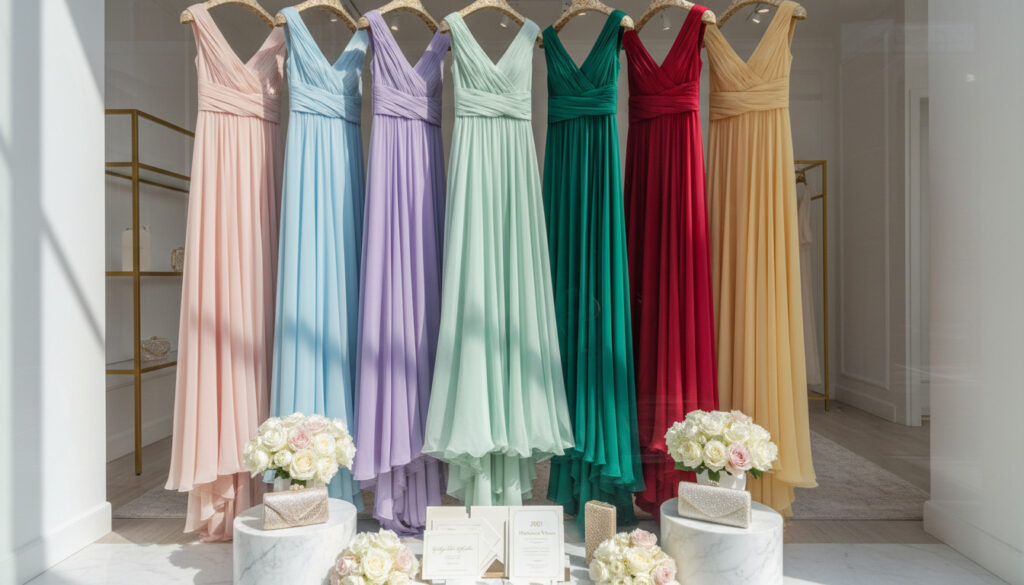
Elegant Wedding Guest Dresses – 2025 Trends, Colors and Etiquette
Navigating the dress code for a summer wedding requires balancing personal style with seasonal practicality. As temperatures rise and venues range from beachside ceremonies to formal ballroom receptions, finding the right ensemble becomes a nuanced exercise in fabric selection, color theory, and silhouette awareness.
The 2025 wedding season introduces distinct trends that prioritize versatility and breathability. According to style analysts at Missacc, this year’s defining looks center on tiered maxi dresses, sleek slip silhouettes, and structured halternecks crafted from lightweight materials designed for movement and comfort.
This guide examines the current landscape of formal wedding guest attire, addressing everything from color etiquette and body-type considerations to budget-conscious shopping strategies and rental alternatives.
What Are the Best Elegant Wedding Guest Dresses?
Contemporary wedding guest fashion has shifted toward investment pieces that transcend single-use occasions. The most sought-after styles for 2025 emphasize fluidity and structure in equal measure, with particular attention to how garments perform across diverse body types and venue requirements.
Tiered Maxi Dresses
Layered skirts with V-necklines offering universal flattery and movement for outdoor ceremonies.
Slip Dresses
Minimalist cuts in silk or satin providing day-to-night versatility with optional layering.
Midi & Tea-Length
Pleated or asymmetrical hemlines balancing practicality with formal elegance.
Halterneck Styles
Satin finishes with strategic cutouts for evening formals and black-tie events.
Key Style Insights for 2025
- Tiered maxis and slip dresses are highlighted as universally flattering across diverse body shapes, offering movement and layering potential.
- Fabric innovation prioritizes chiffon, viscose, linen blends, and lightweight satin for breathability during late summer heat.
- Reformation‘s Daniela Silk Dress exemplifies the retro colorways and minimalist cuts dominating evening wear.
- Brands like Rixo, Zimmermann, Cult Gaia, and Self-Portrait lead the investment piece category for multi-use potential.
- Boho ruffles inspired by Chloé and polka dot patterns in navy or pink/burgundy offer alternatives to solid color blocking.
- Structured bodices with sweetheart necklines and convertible straps provide adjustability for varying body types.
- Rental platforms report high demand for maximalist metallics and jacquard fabrics otherwise inaccessible at retail prices.
Comparative Style Guide
| Silhouette | Defining Features | Optimal Venue | Example Brands |
|---|---|---|---|
| Tiered Maxi | V-necklines, layered skirts, high-low hems | Garden, beach, outdoor dancing | Dôen, Aje, Nadine Merabi |
| Slip Dress | Minimalist cut, spaghetti straps, silky drape | Cocktail hour, city venues | Reformation (Brie Silk) |
| Midi/Tea-Length | Pleated, ruffled, or asymmetrical hems | Church ceremonies, transitions | Zara, Kitri |
| Halterneck | Satin fabrics, cutouts, statement backs | Evening formals, black tie | Reformation (Daniela) |
| Jacquard/Brocade | Structured weave, formal weight | Summer formal, ballroom | Self-Portrait |
| Bohemian Ruffle | Flowy silhouettes, puff sleeves | Rustic, vineyard settings | Cult Gaia |
What Colors Are Appropriate for Wedding Guest Dresses?
Color selection for wedding attendees involves navigating traditional etiquette while embracing contemporary palette shifts. The 2025 season marks a distinct move toward earth tones and jewel tones, moving away from the pastel dominance of previous years.
Navigating Modern Color Etiquette
Contemporary wedding fashion has relaxed certain historical restrictions while maintaining core boundaries. Black, once considered taboo for weddings, now represents a rental favorite for sleek minimalism according to Who What Wear. However, white and ivory remain exclusively reserved for the bridal party unless explicitly requested otherwise by the couple.
Seasonal Palettes for Late Summer
The current trending color spectrum blends summer vibrancy with autumnal depth. Earth tones including marigold, terracotta, rust, and burnt orange dominate West Coast vineyard settings, while olive green and sage provide muted alternatives. Jewel tones—specifically deep berry, emerald, and sapphire blue—anchor East Coast formal ceremonies. Accent brights such as neon coral, lime green, and electric blue appear exclusively within prints rather than as solid blocks.
White, cream, and ivory dresses remain strictly reserved for the bride unless the wedding invitation explicitly announces an all-white dress code. Additionally, guests should identify and avoid colors specifically designated for the bridal party to prevent visual confusion in photographs.
Print and Pattern Guidelines
Oversized botanical florals, tropical leaves, and watercolor muted tones characterize 2025’s print direction. Polka dots in non-monochrome variations—specifically pink or burgundy bases—offer retro appeal without invoking the stark contrast of traditional black-and-white. Lush floral designs on marigold or rust bases suit garden party settings particularly well.
What Dress Styles and Lengths Work for Different Weddings?
Venue-specific requirements and dress code formality dictate appropriate hemline and construction choices. Understanding the distinction between cocktail, formal, and black-tie specifications prevents both underdressing and excessive formality.
Decoding Dress Code Specifications
Summer formal and black-tie events require elegant minimalism, often expressed through sequins, metallics, and halterneck constructions. The Knot emphasizes avoiding overly structured pieces in favor of day-to-night versatility for these occasions. Jacquard and brocade fabrics signal appropriate formality for evening events without requiring full ballgown construction.
Length Guidelines and Practical Movement
Maxi lengths featuring tiered or ruffled constructions suit boho and beach environments, particularly sculptural styles from Cult Gaia. Midi lengths offer the most versatile practicality, accommodating venue transitions from ceremony to reception without hemline adjustments. Tea-length dresses with ruffles provide nostalgic formality appropriate for traditional church settings. High-low hems and side slits incorporate modern movement while maintaining coverage during seated portions of the event.
Fabric Science for Seasonal Comfort
Breathability determines fabric selection for late summer ceremonies. Chiffon provides flowy movement suitable for day-to-night transitions. Viscose offers silky drape with moisture-wicking properties. Linen blends resist wrinkling during outdoor events while maintaining airflow. Crepe delivers structured comfort without rigidity, and lightweight satin provides formal sheen without the thermal retention of heavier silks. Unlined or mesh-lined garments maximize ventilation, with sheer fabrics adding allure without structural bulk.
How to Shop for Affordable Elegant Wedding Guest Dresses?
Accessibility in formal attire has expanded significantly through rental platforms and strategic high-street investments. The dichotomy between purchasing permanent wardrobe additions and borrowing statement pieces allows guests to navigate budget constraints without sacrificing style. For additional technical guidance on image formatting and digital preparation of wedding materials, see our Convert PDF to JPEG – Free Online and Offline Guide.
Platforms like By Rotation offer access to premium designers at fractional costs, with Maria Lucia Hohan green metallic dresses available at approximately £59 daily. This approach works particularly well for maximalist glamour pieces or trend-specific colors unlikely to see repeated wear.
Investment vs. Rental Economics
Rental services report particular demand for metallics and jacquard fabrics—categories where purchase prices often exceed $500 but rental rates remain under $100. This model suits guests attending multiple weddings with varying dress codes, allowing wardrobe rotation without storage concerns or repeat-wear social anxiety.
Reformation‘s Brie Silk and Daniela lines, Zara’s draped midi collections, Kitri’s Jacquetta halterneck maxi, and Nobody’s Child pink floral midi provide entry points under $200 while maintaining the construction quality of investment pieces.
High-Street and Contemporary Brands
Contemporary labels have bridged the gap between fast fashion and luxury construction. 100 Layer Cake highlights Zimmermann and Aje as leaders in the accessible luxury space, offering dresses suitable for multiple wedding seasons when properly maintained. These pieces often feature the convertible straps and structured bodices recommended for diverse body type accommodation.
How Have Wedding Guest Dress Codes Evolved for 2025?
The progression of wedding fashion throughout 2025 reflects broader shifts toward sustainability and versatility. Understanding this evolution helps guests contextualize current recommendations within longer style trajectories.
- Pre-Spring 2025: Maximalist metallics and sequins emerged as reactions to years of minimalist dominance, with rental platforms stocking heavily in these categories.
- Early Summer 2025: Earth tones including marigold and terracotta gained prominence for outdoor ceremonies, particularly in linen and chiffon constructions.
- Mid-Summer 2025: Breathable fabric innovation became critical as heat waves affected northern hemispheres, driving demand for unlined mesh and viscose blends.
- Late Summer 2025: Jewel tones integrated into formal palettes, with emerald and sapphire replacing traditional navy and burgundy for evening events.
- Current Transition: Hybrid styles combining slip dress bases with tiered overlays emerged, offering solutions for guests unsure of venue formality levels.
What Are the Established Rules Versus Common Misconceptions?
Wedding attire involves navigating between immutable etiquette and evolving social norms. Distinguishing between these categories prevents both faux pas and unnecessary anxiety.
| Established Guidelines | Evolving or Unclear Areas |
|---|---|
| White and ivory are exclusively bridal unless specified otherwise | Exact boundaries for “close to white” shades (champagne, blush) remain culturally variable |
| Black is widely acceptable for evening and formal weddings | Daytime black dress appropriateness depends heavily on specific family traditions |
| Mesh and sheer fabrics require appropriate lining for religious venues | Specific plus-size construction guidance remains limited across major fashion sources |
| Jewel tones suit East Coast formals; earth tones suit West Coast vineyards | Destination weddings in tropical locations may have conflicting local vs. guest origin expectations |
| Solid neons are avoided; bright colors should appear only in prints | The exact definition of “formal” versus “cocktail” varies by region and venue |
Why Does Wedding Guest Attire Hold Social Significance?
The clothing choices of wedding guests extend beyond personal expression to participate in the visual documentation and ceremonial atmosphere of the event. Photographic records of contemporary weddings circulate across social platforms and family archives for decades, creating a permanent visual context for the couple’s memories. Appropriate attire signals respect for the ceremonial significance and financial investment the hosts have allocated to the celebration.
Additionally, the rise of sustainable fashion consciousness has transformed wedding guest shopping from single-use consumption into wardrobe investment strategy. Choosing dresses with post-wedding versatility—whether through neutral colorways or adaptable silhouettes—reflects broader environmental awareness while maintaining aesthetic standards.
What Do Fashion Experts Recommend?
Industry professionals emphasize the intersection of comfort and photogenic styling. Their collective guidance stresses preparation for variable conditions while maintaining cohesive aesthetic presentation.
The 2025 wedding guest is looking for pieces that work harder—dresses that transition from ceremony to dance floor without requiring a complete change, constructed from fabrics that breathe during outdoor heat but photograph elegantly in dim reception lighting.
— Style Analysis, Who What Wear
Investment dressing for weddings no longer means spending thousands on a single gown. The modern approach involves either purchasing versatile mid-range pieces from labels like Reformation that work for multiple events, or renting statement-making maximalist pieces that would otherwise sit unused in a closet.
— Fashion Editorial, 100 Layer Cake
How to Select the Perfect Wedding Guest Dress?
Selection requires balancing venue requirements, seasonal weather patterns, body type accommodation, and budget parameters. Prioritize breathable fabrics like chiffon or viscose for summer heat, confirm color restrictions with the bridal party when uncertain, and consider rental options for trend-specific pieces unlikely to see repeat wear. For additional technical guidance on image formatting and digital preparation of wedding materials, see our Convert PDF to JPEG – Free Online and Offline Guide.
Frequently Asked Questions
Can I wear white to a wedding?
No. White, ivory, and cream remain exclusively reserved for the bride unless the invitation explicitly specifies an all-white dress code or the couple requests otherwise.
Are there elegant wedding guest dresses under $100?
Yes. High-street options from Zara, Nobody’s Child, and rental platforms like By Rotation provide access to formal attire under $100, particularly for midi-length styles and select maxi dresses.
What shoes pair best with elegant wedding guest dresses?
Delicate heels complement jacquard and satin dresses for formal venues, while block heels or elegant flats suit outdoor garden ceremonies where stilettos may sink into grass.
How do I choose a dress for my body type?
Tiered maxis and slip dresses offer universal flattery across body types. Look for structured bodices, sweetheart necklines, and convertible straps for adjustable support and customized fit.
Can you wear black to a wedding?
Yes, particularly for evening and formal weddings. Black represents a leading rental choice for sleek minimalism, though some traditional daytime events may prefer color.
What fabrics work best for outdoor summer weddings?
Chiffon, viscose, linen blends, and lightweight satin provide optimal breathability. Unlined or mesh-lined garments maximize airflow during high temperatures.
Should I buy or rent my wedding guest dress?
Purchase versatile neutral pieces likely to see repeat wear; rent maximalist metallics, bold prints, or trend-specific colors unlikely to suit multiple occasions.
What length is most appropriate?
Midi lengths offer maximum versatility across venue types. Maxis suit formal and beach settings; tea-length works for traditional church ceremonies.
More related posts
 Theodore Roosevelt: Life, Presidency, and Controversies
 Shane Richie: EastEnders Star and Family Life
 Aston Villa vs PSG Timeline: Scores, Results & History
 Lia Thomas: First Openly Transgender NCAA Champion
 FireAngel CO Alarm Trouble hooting: Beeping, Light , Life pan
 Charlotte Brontë: Facts, Myths, and Literary Legacy
 Sadie Frost: Partner, Net Worth, Court Case, What She Does Now