Can Dogs Eat Peanut Butter – Safety Guide and Best Brands
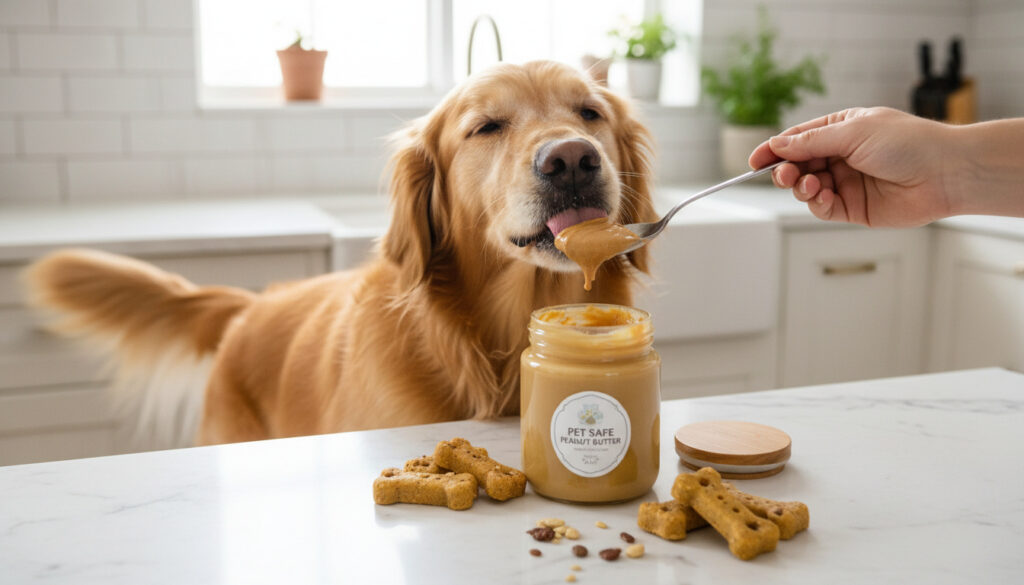
Dogs can safely eat peanut butter as an occasional treat when the product contains no xylitol and remains free from harmful additives like excess sugar or hydrogenated oils. This common household staple offers protein, healthy fats, and vitamins that appeal to canine taste buds and serve practical purposes like hiding medication. However, safety depends entirely on ingredient scrutiny, as certain sugar-free varieties contain a toxic sweetener that can trigger life-threatening hypoglycemia within an hour of ingestion.
Veterinary toxicologists consistently warn that xylitol, a sugar alcohol appearing on labels as birch sugar, poses the single greatest risk to dogs consuming peanut butter. Even small amounts of this additive cause excessive insulin release, dropping blood sugar to dangerous levels and potentially causing seizures or liver failure. Pet owners must check every jar carefully, as formulations change and previously safe brands may introduce new ingredients.
Beyond toxicity concerns, the high caloric density of peanut butter necessitates strict portion control to prevent obesity and digestive upset. Experts recommend limiting this treat to no more than ten percent of a dog’s daily caloric intake, with exact measurements varying by the animal’s size and activity level. For guidance on safe outdoor exercise areas where dogs can work off extra treats, see Dog Fields Near Me – Secure UK Spots For Reactive Dogs.
Can Dogs Eat Peanut Butter?
Plain peanut butter provides a safe, high-value reward for most dogs when selected carefully and administered in moderation. The critical factor remains the absence of xylitol, a sweetener toxic to canines even in minute quantities. Natural varieties containing solely peanuts and perhaps a touch of salt offer the safest option, while commercial brands often introduce unnecessary sugars and oils that compromise canine health.
- Always verify labels for xylitol, also labeled as birch sugar, before feeding any peanut butter.
- Natural varieties containing only peanuts and salt provide the safest nutritional profile.
- Serving sizes must not exceed 10% of daily caloric intake to prevent weight gain.
- Symptoms of toxicity appear within 30-60 minutes and require immediate veterinary intervention.
- Peanut butter serves effectively as a high-value reward or pill-hiding medium.
- Small dogs face higher risks from toxic ingredients due to their lower body weight.
- Regular supermarket brands often contain corn syrup and trans fats unsuitable for canine consumption.
| Fact | Details |
|---|---|
| Safe Ingredients | Peanuts, salt (minimal), no sweeteners [1] |
| Toxic Additive | Xylitol (birch sugar) – fatal even in small amounts [2] |
| Onset of Toxicity | 30-60 minutes post-ingestion |
| Emergency Contact | Pet Poison Helpline: 1-800-213-6680 |
| Serving Recommendation | ≤10% of daily calories; ½ tsp for 10-lb dogs, 1-2 tbsp for 50-lb dogs |
| High-Risk Brands | Go Nuts Co., Krush Nutrition, Nuts ‘n More, P28 Foods, Hank’s Protein Plus, No Cow |
| Symptoms of Poisoning | Vomiting, weakness, lethargy, tremors, seizures, coma |
Benefits of Peanut Butter for Dogs
When sourced responsibly, peanut butter delivers substantial nutritional value alongside its utility as a behavioral tool. The spread contains protein essential for muscle maintenance, healthy fats that support skin and coat health, and vitamins including niacin and vitamin E. These nutrients contribute to overall wellness when offered within caloric limits.
Nutritional Contributions
Unsalted, natural peanut butter provides concentrated energy through monounsaturated fats and plant-based protein. Vitamin B complexes support cellular metabolism, while vitamin E acts as an antioxidant. These benefits manifest only when the product lacks the hydrogenated oils and added sugars common in processed varieties.
Functional Applications
Veterinary behaviorists frequently recommend peanut butter for administering oral medications to reluctant dogs. The strong aroma and sticky texture effectively conceal pills, while the palatable taste encourages consumption. This practical application makes it a valuable tool in home healthcare, provided the xylitol-free status remains verified [3].
Always scan ingredient lists for xylitol, birch sugar, or E967 before offering peanut butter to dogs. If the label lists “sugar-free” or “low-sugar,” assume toxicity risk until proven otherwise.
Best Peanut Butter for Dogs
Selection criteria for canine-safe peanut butter prioritize minimal processing and transparent ingredient lists. Products containing one or two components—peanuts and possibly salt—offer the lowest risk profile. Conversely, formulations incorporating palm oil, corn syrup, or hydrogenated fats contribute to inflammation and obesity without providing nutritional advantages.
Ideal Ingredient Profiles
Organic options containing exclusively ground peanuts eliminate exposure to pesticides and unnecessary additives. Whole Foods 365 Everyday Value Organic Peanut Butter represents a widely available option meeting these standards. Salt content should remain minimal, as excessive sodium proves problematic for dogs with cardiovascular or renal concerns.
Products to Avoid
Kong Real Peanut Butter contains added sugar and hydrogenated oils that detract from nutritional value, while DogButter includes palm oil linked to digestive issues in sensitive animals. These products, though marketed toward pet owners, fail to meet the purity standards of simple organic alternatives.
Six brands currently confirmed to contain xylitol include Go Nuts Co., Krush Nutrition, Nuts ‘n More, P28 Foods, Hank’s Protein Plus, and No Cow. Formulations change frequently, requiring verification before every purchase [4].
Can Dogs Eat Skippy Peanut Butter?
Skippy Natural peanut butter contains no xylitol, rendering it technically non-toxic to dogs. However, the formulation includes corn syrup and trans fats that offer no nutritional benefit and potentially contribute to metabolic inflammation. Veterinary nutritionists consequently advise against this brand despite its safety from acute toxicity.
Additive Concerns in Major Brands
Jif Natural presents similar concerns, incorporating stabilizers and sweeteners that compromise the purity desirable for canine consumption. These mainstream brands prioritize shelf stability and human palatability over the minimalist ingredient profiles best suited for dogs. The presence of hydrogenated oils raises particular concerns regarding cardiovascular health with long-term exposure.
Superior Alternatives
Specialty pet stores and organic grocers stock alternatives containing solely ground peanuts. These options, while requiring stirring to reincorporate separated oils, provide the nutritional density without the metabolic burden of processed spreads. Cost differentials prove minimal when considering the small quantities appropriate for canine treats [5].
Veterinarians consistently recommend Whole Foods 365 Everyday Value Organic Peanut Butter as a top choice, as it contains only peanuts without added salts, oils, or sweeteners.
Can Dogs Eat Peanut Butter Everyday?
Daily consumption of peanut butter contradicts veterinary recommendations for balanced canine nutrition. The high fat content risks pancreatitis and obesity when administered chronically, while the caloric density displaces more nutritionally complete food sources. Occasional administration—perhaps several times weekly rather than daily—maintains the treat’s special status without compromising health.
Caloric Limitations
Specific serving sizes depend on animal weight and activity level. A ten-pound dog requires no more than half a teaspoon, while fifty-pound dogs tolerate one to two tablespoons. These amounts should factor into total daily caloric calculations, reducing regular food portions proportionally to prevent weight gain [6].
Puppy-Specific Considerations
Puppies tolerate xylitol-free peanut butter similarly to adults, though their smaller size demands even stricter portion control. The treat proves useful for training young dogs, but introduction should occur gradually to monitor for individual allergic reactions or digestive sensitivity. For specialized veterinary guidance on young animals, consult Large Animal Vet Near Me – Find Certified Equine & Livestock Vets.
Can Dogs Eat Peanut Butter with Nuts, Cookies, or Bread?
While plain peanut butter presents manageable risks, combinations with other foods introduce additional hazards requiring careful evaluation. Baked goods and commercial nut mixes often conceal toxic ingredients that negate the relative safety of the peanut butter itself.
Whole Peanuts and Varieties
Plain, unsalted peanuts serve as safe occasional treats in small quantities, though they lack the palatability and convenience of the buttered form. However, moldy peanuts present aflatoxin risks potentially damaging to canine livers. Flavored or salted varieties contribute excessive sodium, while macadamia nuts mixed into “nut blends” introduce separate toxicities unrelated to peanut safety.
Baked Goods and Processed Combinations
Peanut butter cookies and breads frequently contain xylitol, chocolate, raisins, or excessive refined sugars that prove dangerous or fatal to dogs. Even plain peanut butter spread on bread should represent a rare indulgence given the carbohydrate load and potential for hidden ingredients in commercial bread products. Homemade treats using xylitol-free peanut butter and dog-safe flour provide safer alternatives.
What Veterinarians Confirm vs. What Remains Uncertain
| Established Facts | Uncertainties |
|---|---|
| Xylitol causes fatal hypoglycemia and liver failure in dogs | Long-term effects of palm oil consumption in canines |
| Natural peanut butter (peanuts only) is safe in moderation | Threshold toxicity levels for individual dog breeds |
| Serving limits should not exceed 10% of daily calories | Interaction effects with specific medications |
| Six specific brands confirmed to contain xylitol | Safety of “natural flavor” additives in commercial brands |
The Cultural Context of Canine Peanut Butter Consumption
Peanut butter emerged as a canine treat during the mid-twentieth century as commercial availability increased and veterinary nutrition recognized its utility for medication administration. The spread’s viscosity allows it to adhere to roofs of mouths, extending engagement time and providing mental stimulation through licking behavior. This functional utility elevated it from mere food to an enrichment tool used in kongs and puzzle feeders.
The recent proliferation of sugar-free products introduced new risks previously absent from traditional peanut butter formulations. The veterinary community continues adapting public health messaging to address these industrial changes, emphasizing that “natural” labeling does not guarantee xylitol absence. Consumer education now focuses on active ingredient verification rather than brand loyalty assumptions.
Expert Perspectives on Canine Nutrition
Dogs can eat peanut butter if it is xylitol-free, with minimal ingredients like just peanuts or peanuts and salt; avoid sugar-free varieties entirely due to xylitol’s toxicity, which can cause hypoglycemia, seizures, liver failure, or death.
— Integrated Canine Wellness and Veterinary Health
Xylitol triggers excessive insulin release and leads to low blood sugar within 30-60 minutes. Small dogs are at higher risk, and even small amounts can be fatal.
— North Carolina State University Veterinary Medicine
Summary of Safety Protocols
Responsible peanut butter feeding requires vigilant label reading to detect xylitol, selection of products containing solely ground peanuts, and strict adherence to portion limits preventing caloric excess. While this treat offers valid nutritional and behavioral benefits, its safety depends entirely on ingredient purity and moderation. When uncertain about specific brands or observing adverse reactions, immediate veterinary consultation provides the safest course of action.
Frequently Asked Questions
Can dogs eat peanuts?
Yes, plain unsalted peanuts are safe in small quantities, but avoid salted, flavored, or moldy nuts due to aflatoxin risks. They should remain an occasional treat.
Can dogs eat peanut butter cookies?
No, unless specifically formulated for dogs. Commercial cookies often contain xylitol, chocolate, raisins, or excessive sugar that prove toxic to canines.
Can dogs eat peanut butter bread?
Plain peanut butter on dog-safe bread is acceptable in tiny amounts, but commercial breads with added sugars or xylitol present serious health risks.
What should I do if my dog eats xylitol?
Contact a veterinarian or the Pet Poison Helpline at 1-800-213-6680 immediately. Symptoms develop within 30-60 minutes and require urgent intervention.
Is birch sugar the same as xylitol?
Yes, birch sugar is a common name for xylitol. This sweetener appears in sugar-free peanut butters and causes fatal hypoglycemia in dogs.
More related posts
 TV Listings for Today: What’s On in Ireland (2025)
 Belly Button Piercing: Pain, Healing, Aftercare & Risks
 Highest Paying Jobs UK – Top 10 Salaries 2025 No Degree
 Greta Lee: Biography, Ethnicity, Husband, Children, and Movies
 Skin Care: Expert Answers to 10 Most Asked Questions
 Mawaan Rizwan: Age, Brother, Partner, Sexuality & TV Career
 Hamish Badenoch: His Career, Family, and Life with Kemi
 Thomas Brodie-Sangster: Wife, Movies & Facts